In the fast-paced world of software as a service, UI/UX and Agile integration for SaaS startups stands out as the key to turning early prototypes into revenue-generating products. Many founders begin with brilliant ideas yet struggle to deliver intuitive interfaces while keeping development flexible and user-focused. When teams combine thoughtful design with iterative project management, they create products that users love and businesses can scale quickly. This approach reduces wasted effort, shortens time to market, and directly contributes to higher retention and profit margins.
Successful SaaS companies no longer treat design and development as separate phases. Instead, they embed user experience principles into every sprint. The result is smoother onboarding, fewer support tickets, and stronger competitive advantage. Whether you run a small team or lead a growing startup, mastering UI/UX and Agile integration for SaaS startups can make the difference between survival and significant growth.
[Image: Cross-functional SaaS team reviewing UI/UX prototypes during an Agile sprint planning session with digital whiteboards and user feedback notes]

Why SaaS Startups Struggle Without Proper Integration
Most SaaS prototypes start strong but lose momentum when design and development clash. Developers push for quick features while designers wait for final requirements. This disconnect leads to last-minute redesigns, frustrated users, and delayed launches.
According to research from the Nielsen Norman Group, teams that successfully blend user-centered methods with Agile practices see fewer surprises and faster adjustments after each iteration. Without this balance, startups often burn through funding before reaching product-market fit.
UI/UX and Agile integration for SaaS startups solves these issues by keeping design one step ahead yet fully aligned with development cycles. User feedback flows continuously into sprints instead of arriving too late. Teams build features users actually need rather than guessing what works.
Core Principles of Effective UI/UX in SaaS Development
Great SaaS interfaces feel invisible. Users complete tasks without thinking about the design. This seamless experience begins with clear user personas and journey maps created early in the process.
Focus on simplicity and consistency across all screens. Responsive layouts, intuitive navigation, and accessible elements become non-negotiable. Role-specific onboarding flows further reduce churn by guiding new users straight to value.
In practice, designers create low-fidelity wireframes during sprint planning. They test interactive prototypes with real users before code reaches production. This early validation prevents expensive rework later.
How Agile Project Management Accelerates SaaS Growth
Agile frameworks like Scrum or Kanban emphasize short sprints, daily stand-ups, and regular retrospectives. For SaaS teams, this structure delivers incremental value while allowing rapid course corrections based on market feedback.
Product backlogs include both technical stories and design tasks. User stories focus on outcomes rather than outputs, such as “As a new user, I want a personalized dashboard so I can find relevant features immediately.”
Cross-functional teams share ownership. Designers participate in sprint reviews and planning sessions. Developers understand design rationale, while designers grasp technical constraints. This collaboration speeds up decision-making and improves overall quality.
Best Practices for Seamless UI/UX and Agile Integration
Start by including UX designers in every sprint ceremony. Give them dedicated time to work ahead on upcoming features while staying synchronized with current development.
Use collaborative tools to maintain a single source of truth. Shared design systems and component libraries ensure consistency without slowing the team.
Incorporate regular user testing within each sprint. Quick usability sessions at the end of every cycle reveal issues before they compound. Teams then refine prototypes and adjust priorities for the next iteration.
Prioritize design debt alongside technical debt during retrospectives. Address small usability improvements early to prevent larger problems later.
Another proven tactic involves design spikes—short research periods dedicated to exploring complex interfaces before full implementation. These spikes keep the main sprint velocity high while protecting quality.
External experts recommend aligning UX and development timelines precisely. As noted in Lean UX methodologies, overlapping work streams rather than sequential handoffs creates better outcomes. You can explore more details in resources like the Nielsen Norman Group’s guide on infusing UX into Agile processes: https://www.nngroup.com/articles/state-ux-agile-development/.
For deeper reading on building your first version, check our internal guide to SaaS MVP development strategies.
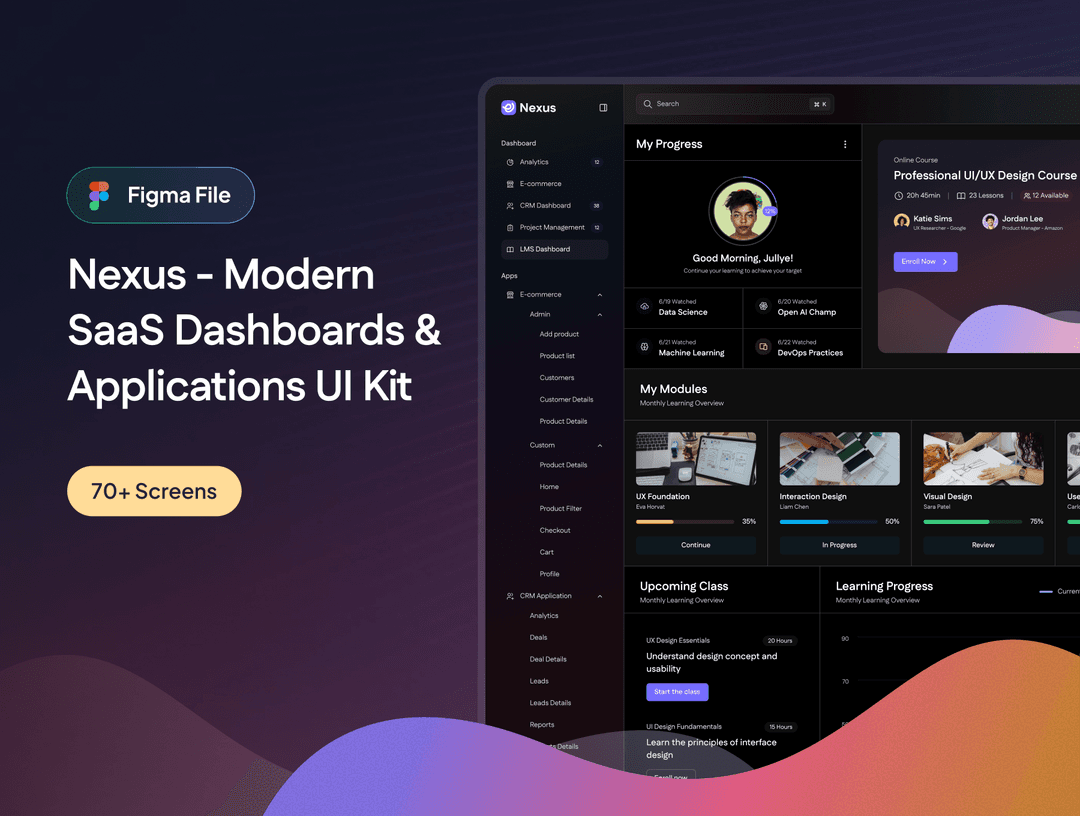
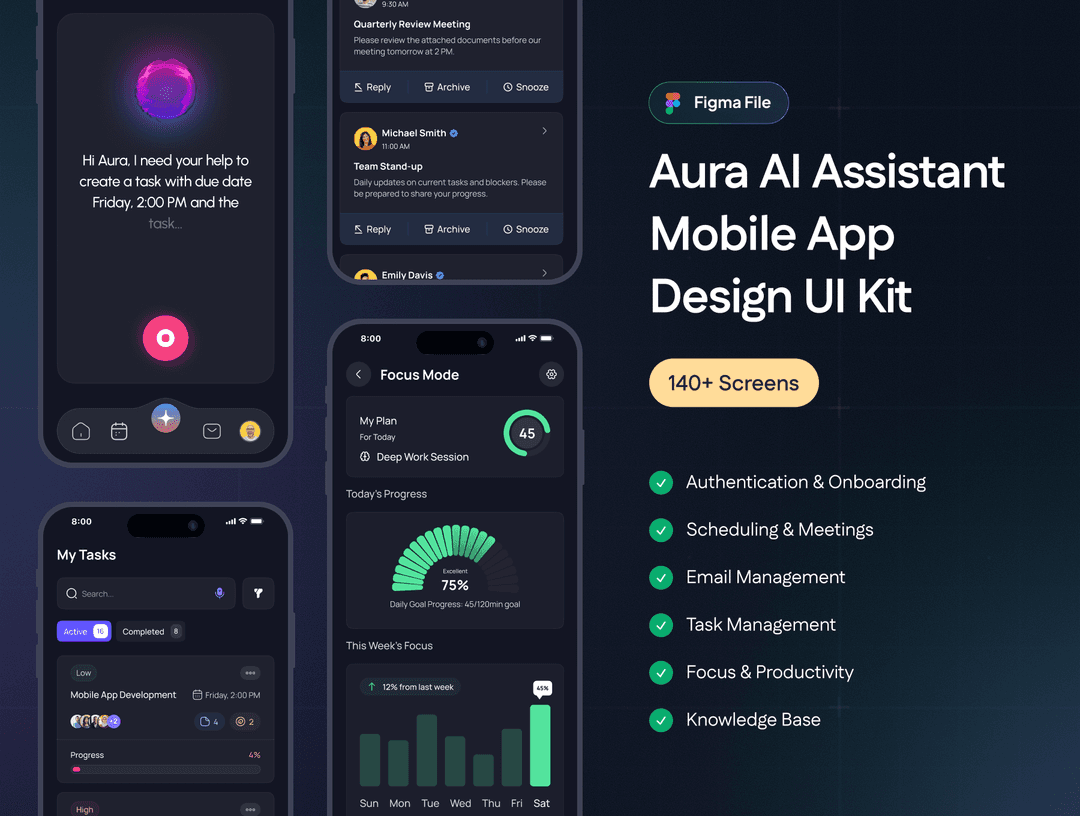
[Image: Clean SaaS dashboard interface example highlighting intuitive UI/UX elements refined through multiple Agile feedback iterations]

Real-World Examples That Delivered Results
HubSpot dramatically reduced churn by redesigning its onboarding experience using data-driven insights and iterative testing. The team analyzed user behavior, ran A/B tests, and refined flows within Agile sprints. New users now reach value faster, directly boosting retention and revenue.
Notion transformed workspace complexity into simple modular blocks. Continuous user feedback loops within Agile cycles allowed the product to evolve while maintaining an elegant interface. The result is a tool loved by millions for its flexibility without overwhelming users.
Slack applied similar principles during early growth. Frequent prototype testing and sprint-based refinements created the effortless communication experience that set industry standards. These case studies prove that UI/UX and Agile integration for SaaS startups translates directly into measurable business success.
Other notable examples include Figma and ClickUp, where scalable design systems and personalized features emerged from tight collaboration between design and engineering teams.
Common Challenges and Practical Solutions
One frequent obstacle involves timeline misalignment. Designers need research time that traditional sprints may not accommodate. The solution is dual-track Agile, where discovery runs parallel to delivery. One track explores future needs while the other builds current priorities.
Another challenge appears when stakeholders push for features without user validation. Combat this by making user testing data visible in every sprint review. Concrete metrics and session recordings speak louder than opinions.
Resource constraints also arise in early-stage startups. Small teams can still succeed by rotating responsibilities and using no-code prototyping tools for quick validation. Start small, measure impact, then scale the process as the company grows.
Finally, maintaining design system consistency across rapid iterations requires discipline. Dedicated component libraries and automated accessibility checks help teams move fast without sacrificing quality.
Essential Tools That Power the Process
Modern SaaS teams rely on integrated platforms that support both design and project management. Figma serves as the central hub for collaborative prototyping and design systems. Real-time editing allows developers to comment directly on designs during sprints.
Jira or Linear handles Agile tracking with custom fields for UX tasks and user story mapping. Miro or FigJam facilitates remote workshops for journey mapping and brainstorming.
Analytics tools like Hotjar and Amplitude provide ongoing user insights that feed directly into backlog prioritization. These platforms close the feedback loop and keep every decision user-centered.
For startups watching budgets, open-source alternatives like Penpot for design and open project boards deliver similar capabilities without heavy licensing costs.
Internal resources on our site also cover the best SaaS tools for 2026, offering further recommendations tailored to growing teams.
Measuring Success and Scaling the Approach
Track key metrics to validate your integration efforts. User retention, activation rates, and net promoter scores reveal whether the interface truly serves customers. Development velocity combined with reduced bug reports shows technical efficiency gains.
As your startup matures, formalize the process into a repeatable framework. Train new hires on dual-track methods and maintain living documentation of design decisions. This institutional knowledge prevents regression when team members change.
Regular audits of the user journey ensure the product continues evolving with market needs. Successful teams treat UI/UX and Agile integration for SaaS startups as an ongoing practice rather than a one-time project.
By following these principles, any SaaS founder can move confidently from initial prototype through multiple iterations to a profitable, user-loved product. The combination delivers faster launches, happier customers, and stronger bottom-line results.
admin
Digital product designer and software engineer at Quadiz studio, sharing insights on conversion-driven UI/UX design, modern web development, and building scalable software.