Searching for low cost mobile app development usually means an expensive idea is standing behind a small budget. The good news: this game is not about finding the cheapest quote, it is about refusing to pay for things users never asked for. Most MVPs land between $20k and $50k, and the spread between a bloated build and a lean one is decided by choices made before the first invoice. Here are the seven levers that move that number the most, followed by the short list of things that must never be cut, because cheap in the wrong place is just expensive later.
Low Cost Mobile App Development: 7 Levers That Actually Work
1. Cut Scope Before You Cut Price
The cheapest feature is the one you never build. Prioritizing only core functionality routinely saves 30 to 40 percent of a budget, and it is the first move we make on every project. A founder once arrived with 14 "must have" features; after two weeks of talking to real users, 11 of them quietly became "later." We shipped 3, the app lived, and the saved budget paid for months of iterations based on evidence instead of guesses.
2. Design First, Change on Paper
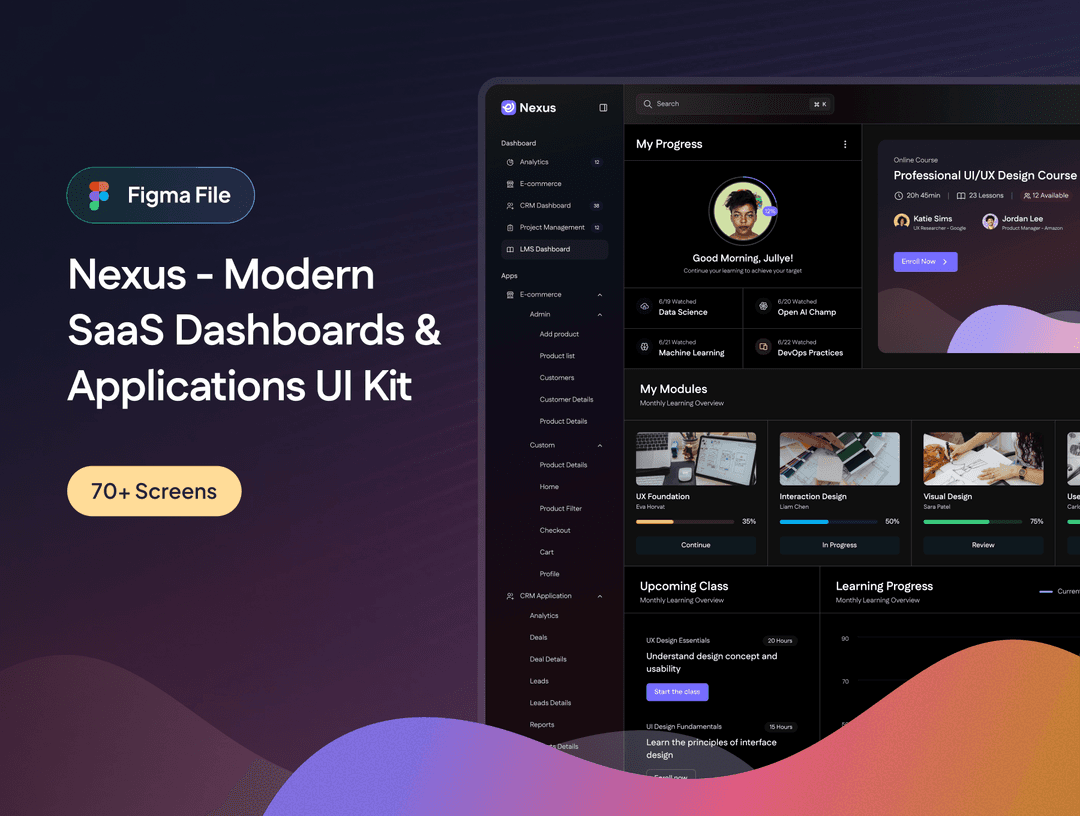
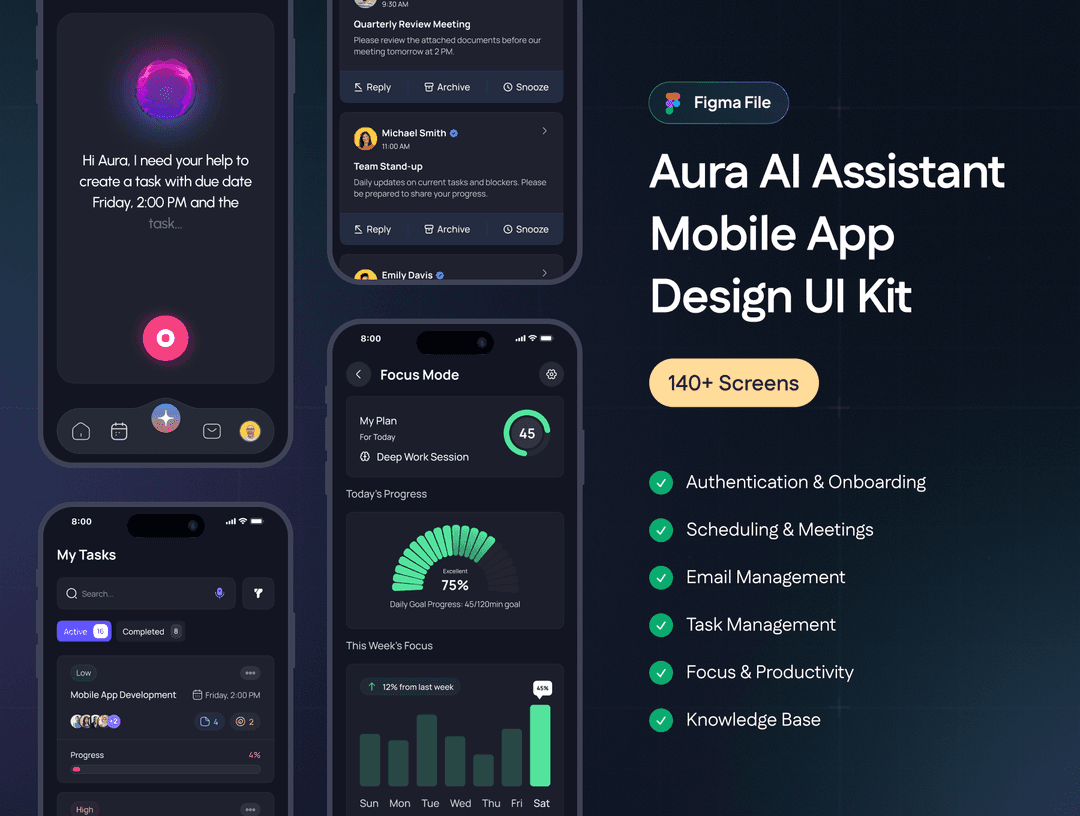
Every decision changed on a Figma screen costs minutes; the same change in code costs days. Design flows, wireframing, and a tappable prototype let you run the whole app in your hand before a single development hour is billed, and user tests on prototypes catch the expensive mistakes. This is exactly what our Mobile App Design service delivers in 3 to 6 weeks, starting at $600, which makes it the highest-leverage line item in any budget plan.
3. Go Cross-Platform From Day One
Building iOS and Android separately is the single biggest budget inflator most founders accept without question. One shared codebase in Flutter or React Native typically saves 30 to 40 percent versus two native builds, while still shipping to both stores. Our own Chess Timer clock app runs on one Flutter codebase for exactly this reason; unless your app depends on heavy native hardware features, paying twice is a choice, not a requirement.
4. Rent Components Instead of Building Them
Login, payments, cloud storage, analytics: none of these are your product, so do not fund their invention. Using existing services for authentication saves roughly $5,000 to $15,000 against custom work, and standard payment integrations save $10,000 to $30,000, according to industry estimates. Reserve your build budget for the 20 percent of the app that makes it different, and rent the commodity 80 percent behind it.
5. Hire the Blend, Not the Big Team
Hourly rates between regions differ by 3x to 5x, and outsourcing with senior oversight can cut 40 to 60 percent off a local-agency bill. The safe pattern is a small senior-led pod: one architect-level lead who owns decisions, two solid mid-level builders, and shared QA. Get three written proposals for the same scope so you can see the real market price, then choose on clarity of the plan, not the lowest line.
6. Lock Scope in Writing, Pay in Milestones
Scope creep is where lean budgets go to die. Write down what version one does and, just as importantly, what it does not do, then structure payments around working milestones you can install and test, not calendar dates. When a new idea appears mid-build, and it will, it goes on the version-two list unless someone can prove a user will abandon the app without it. This one habit protects every other lever on this page.
7. Market With Free Tools Before Paid Ads
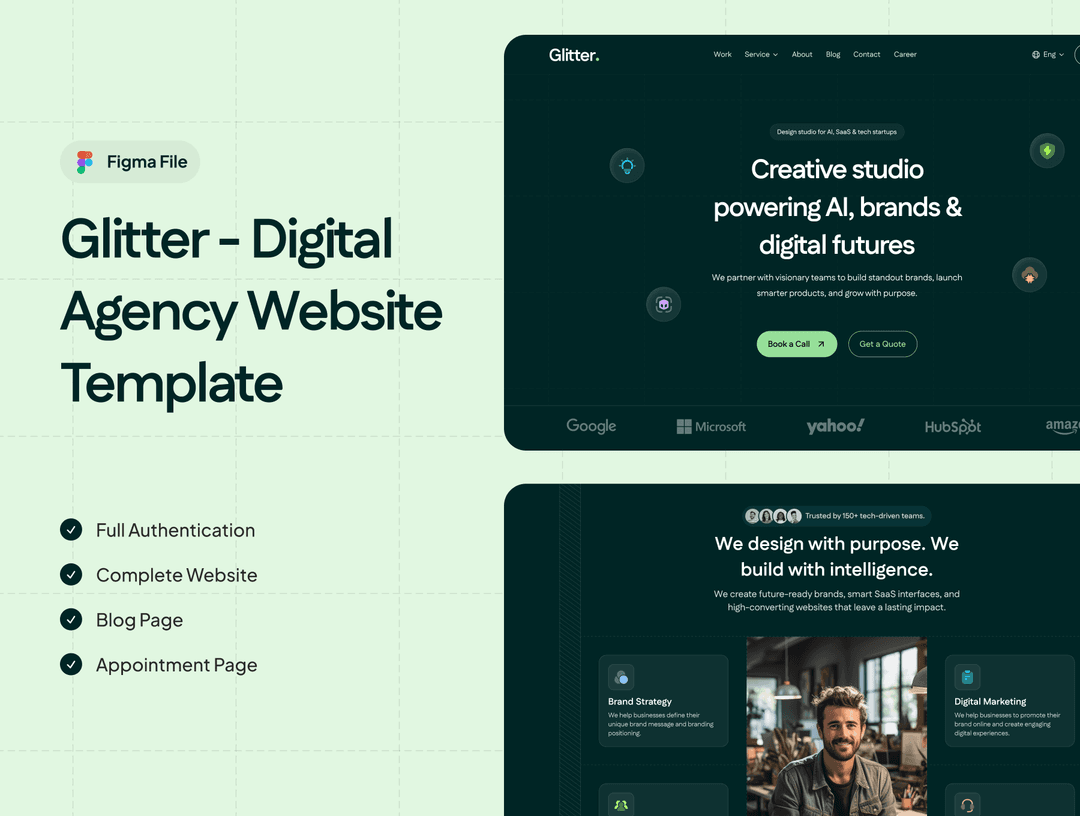
App costs do not end at the build, so keep the launch budget lean too. An honest one-page website is usually enough at the start: our free Coreik SaaS application website template gives you a clean landing page for screenshots, the pitch, and store links without a design bill. Pair that with basic store optimization (clear title, problem-first description, real screenshots) before you spend a dollar on ads.
The Budget Math, Stacked
| Lever | Typical saving |
|---|---|
| Scope cut to true MVP | 30 to 40 percent of build |
| Design-before-build | Days of rework per feature avoided |
| Cross-platform codebase | 30 to 40 percent vs dual native |
| Rented components (auth, payments) | $15k to $45k combined |
| Senior-led blended team, outsourced | 40 to 60 percent vs local agency |
| Milestone contracts | Change-order losses contained |
No single lever halves a budget by itself. Stacked on a validated idea, they regularly turn a $70k conversation into a $30k one, without touching the parts that make the app good.

Where Cheap Becomes Expensive
Some lines on the invoice are load-bearing. Cut these and the savings come back with interest:
- Security and data protection. Leaked user data ends apps, not budgets.
- Core user experience. If the three main screens feel cheap, nothing else gets the chance to matter.
- Code ownership. Contracts that leave your code on someone else's account, or inside a proprietary builder you cannot leave, rent your business back to you.
- Real-device testing. Bugs found by users cost ten times the bugs found by your team.
- Maintenance reserve. Plan 15 to 20 percent of build cost per year for OS updates, fixes, and hosting; apps without a reserve decay in public.

Frequently Asked Questions
What is the cheapest realistic way to build a mobile app?
The cheapest custom path is a tiny validated scope, one cross-platform codebase, rented components, and a senior-led small team on milestone payments. For very simple apps, a no-code builder costs less still, as long as its limits fit your idea.
How much does a low budget app cost in 2026?
A disciplined custom MVP typically runs $15k to $35k. Anything truly custom under $10,000 means a single-platform, single-flow app or a no-code build; below that, what you are buying is usually a template with your logo on it.
Is offshore app development worth the risk?
Yes, with the right structure: a senior technical lead, weekly demos you can install, milestone payments, and a written scope. Rates differ 3x to 5x across regions, so the savings are real, as is the cost of choosing on price alone.
Which app features cost the most to build?
Real-time sync and chat, marketplace payments and payouts, custom animations, AI or recommendation logic, and reliable offline behavior. If your budget is tight, push these to version two unless one of them is the entire point of the app.
What hidden app costs should I budget for?
Maintenance at 15 to 20 percent of build cost annually, hosting and third-party services, Apple and Google developer fees, design updates as you learn, and marketing. A launch plan with no budget left after development is the classic way good apps die quietly.
Get More App for Your Budget
| Your situation | What helps most | Next step |
|---|---|---|
| Idea not yet designed | A tested prototype before you fund any build | Mobile App Design service, from $600, delivered in 3 to 6 weeks |
| Scope and budget ready | A senior-led team with lean pricing options | Get a quote, or check our work first |
Keeping app development low cost is a design problem before it is a pricing problem, and design is the cheapest lever you will ever pull.
Tags:#Mobile App Design#App Development#Budget
Written byFounder & Lead Developer
Nayef
Visit Website ↗Tech enthusiast, lead developer, and founder of Quadiz.