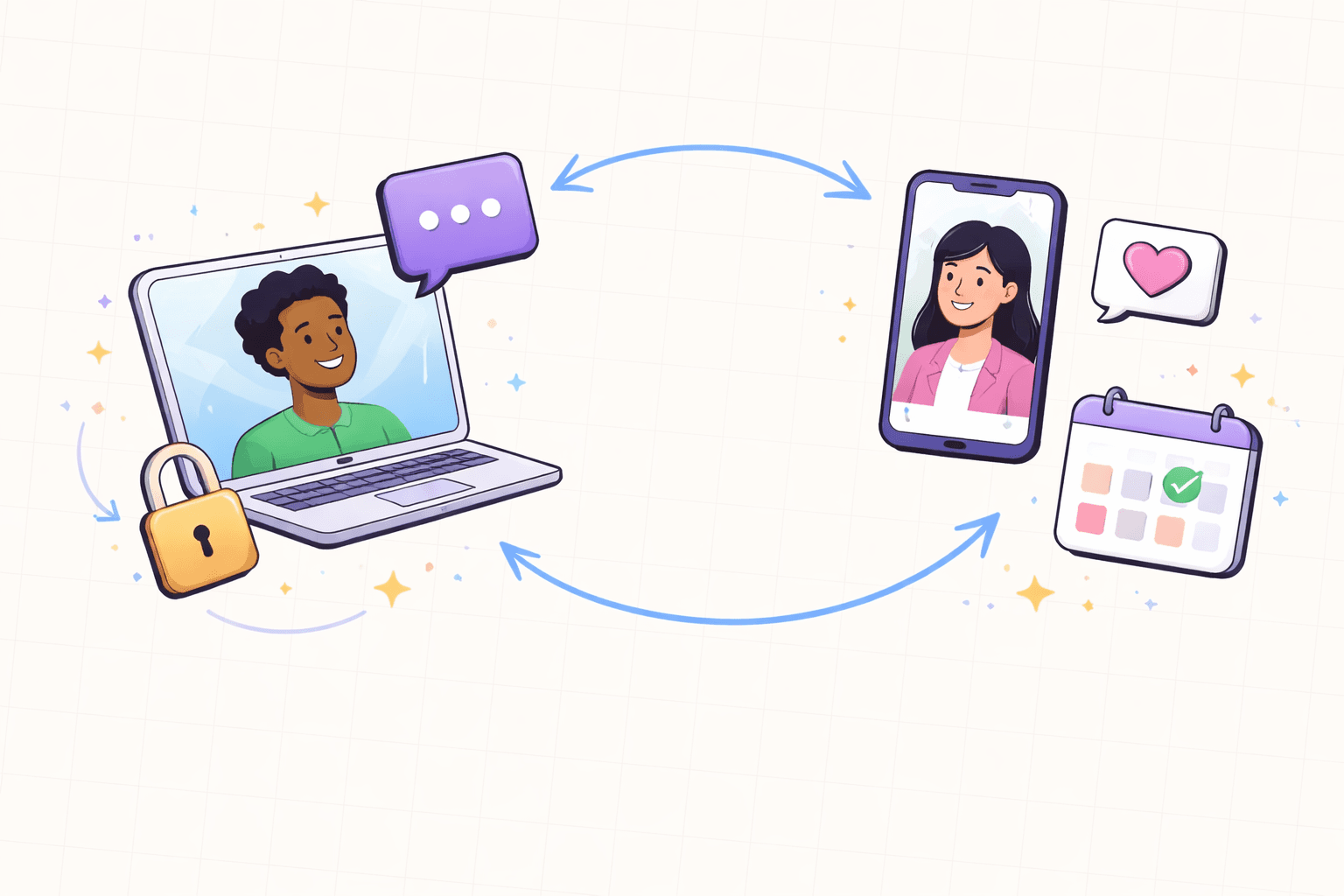
Leading remote and hybrid teams is now the standard for successful organizations. Whether your people work from home, the office, or both, the key to high performance lies in deliberate leadership that creates trust and flexibility every single day.
In this guide, you will learn exactly how to lead effectively, keep your team connected, and deliver outstanding results—no matter where they sit.
Why Leading Remote and Hybrid Teams Requires New Skills
The old command-and-control style no longer works. Today’s leaders must focus on outcomes instead of hours logged. They need strong emotional intelligence and digital tools to connect across locations and time zones.
Companies that adapt quickly see higher retention and innovation. Those that don’t face disengagement and higher turnover. Leading remote and hybrid teams successfully starts with this mindset shift.
The Power of Trust in Remote and Hybrid Environments
Trust sits at the heart of every high-performing team. In hybrid settings, you cannot rely on casual office chats, so trust must be built intentionally. When people feel trusted, they own their work, share ideas freely, and stay longer with the company.
How to Build Trust When Leading Remote and Hybrid Teams
Start with transparency. Share decisions openly and celebrate wins in team channels. Hold short, regular one-on-one meetings where you listen more than you speak. Ask about workloads, challenges, and personal goals—employees who feel heard trust their leaders more.
Shift from tracking activity to measuring results. Instead of “What did you do today?”, ask “What progress did you make toward our goals?” This small change removes micromanagement and builds real confidence.

Creating Flexibility Without Losing Control
Flexibility does not mean chaos. Successful leaders set clear core hours for meetings while protecting deep-work time. They allow async updates through shared dashboards so everyone stays aligned without endless calls.
When you design work around human needs rather than rigid schedules, teams deliver better results with less stress. Leading remote and hybrid teams becomes smoother when flexibility and structure work together.
7 Proven Strategies for Leading Remote and Hybrid Teams
Here are seven practical strategies top organizations use right now:
- Set crystal-clear expectations with shared goals and success metrics.
- Hold consistent 1:1s and team huddles—use video to read facial cues.
- Focus only on outcomes, never hours worked.
- Run regular virtual or hybrid team-building activities.
- Choose the right tech stack (Slack, Zoom, Asana, etc.).
- Lead with empathy and offer flexible deadlines when life happens.
- Recognize achievements publicly in team channels or monthly awards.
Apply even three of these strategies and you will notice stronger engagement within weeks.
For the best collaboration tools comparison, check our guide to remote team communication tools.

Overcoming Common Challenges
Isolation, uneven visibility, and burnout are common issues. Create optional “anchor days” for in-person collaboration and train managers on hybrid leadership.
According to Gallup’s latest research, hybrid arrangements still dominate and deliver strong engagement when managed well. Forbes experts also highlight that inclusive norms and clear team alliances reduce feelings of exclusion in hybrid setups. Leading remote and hybrid teams gets easier when you tackle these challenges proactively.
Measuring What Matters
Track engagement with quick pulse surveys, goal completion rates, and employee Net Promoter Scores. Review results with your team every quarter. This transparency builds even more trust and shows you value their feedback.
Start leading remote and hybrid teams with confidence today. Pick one strategy from this list, try it this week, and watch your team become more connected, motivated, and productive than ever. For more insights on maintaining balance, see our guide to hybrid work-life balance tips.
admin
Digital product designer and software engineer at Quadiz studio, sharing insights on conversion-driven UI/UX design, modern web development, and building scalable software.