Knowing how to choose a mobile app development partner is worth more than any feature list, because large IT projects run 45% over budget on average and the wrong team is the fastest way to join that statistic. The right choice is not the cheapest quote or the flashiest deck; it is the team that ships, communicates, and hands you full ownership. Here is the 7-step way to find them, plus the scorecard, red flags, and questions that finish the job.
How to Choose a Mobile App Development Partner: 7 Steps
1. Define What You Are Buying Before You Shop
Are you buying hours of developers' time, or an outcome (a designed, tested, launched app)? Hour buyers can supervise technical work themselves; most owners cannot, so they need a partner who owns discovery, design, build, testing, and launch as one accountable package. Write a one-paragraph brief of what success looks like for version one before you talk to anyone.
2. Shortlist Mobile App Development Companies With Public Proof
Build your shortlist of mobile app development companies from evidence you can check without their permission: apps still live in the stores, recent reviews on directories like Clutch, and case studies with numbers rather than adjectives. Three to five candidates is enough. A company that looks impressive but has nothing installable to show is a pitch, not a team.
3. Install Their Work Before You Read Their Deck
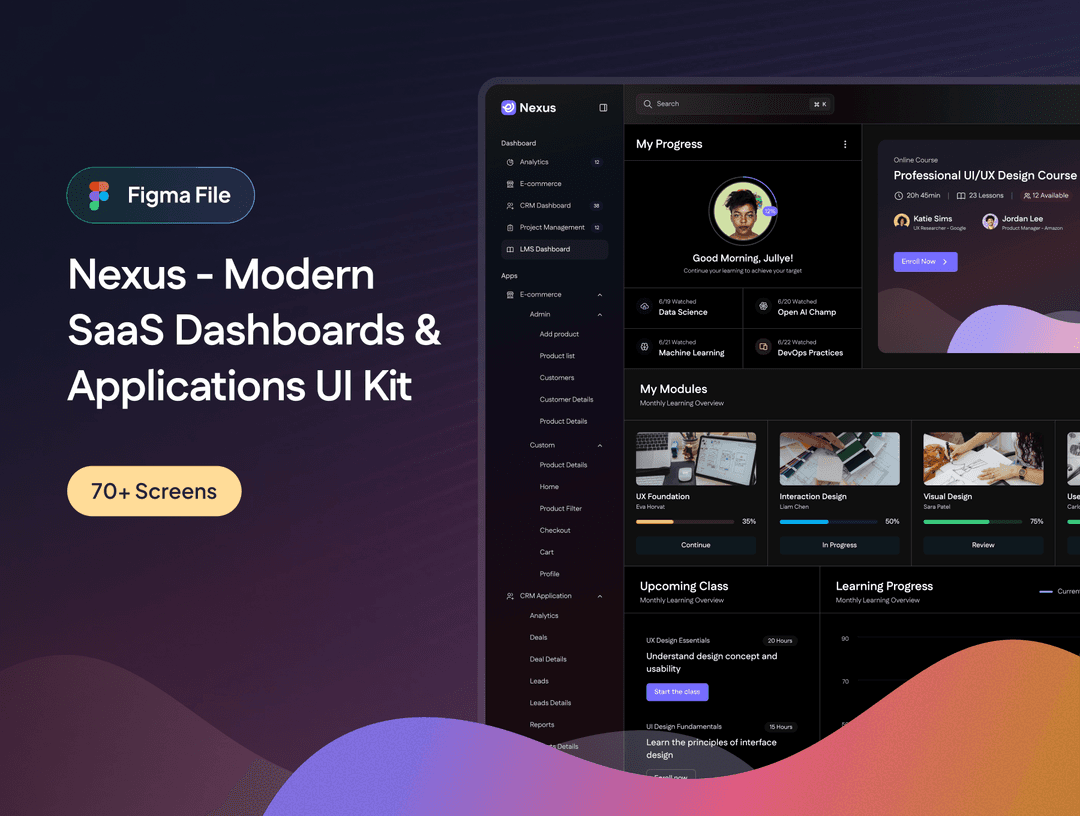
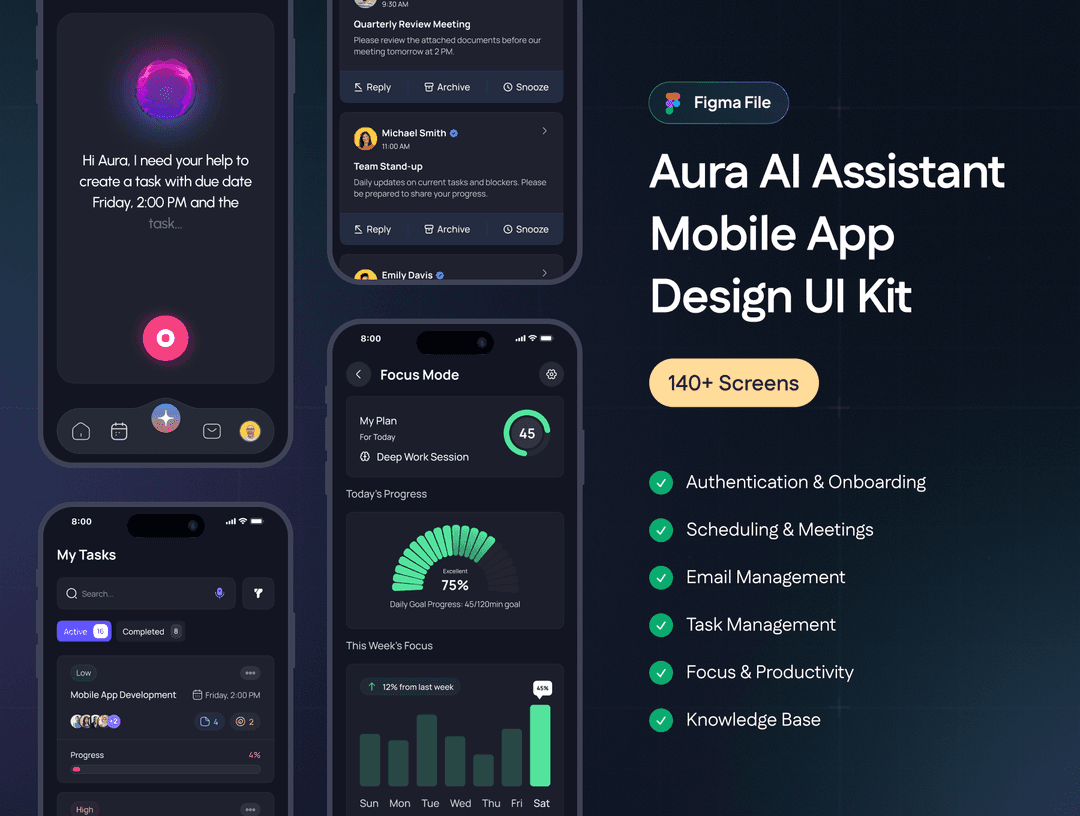
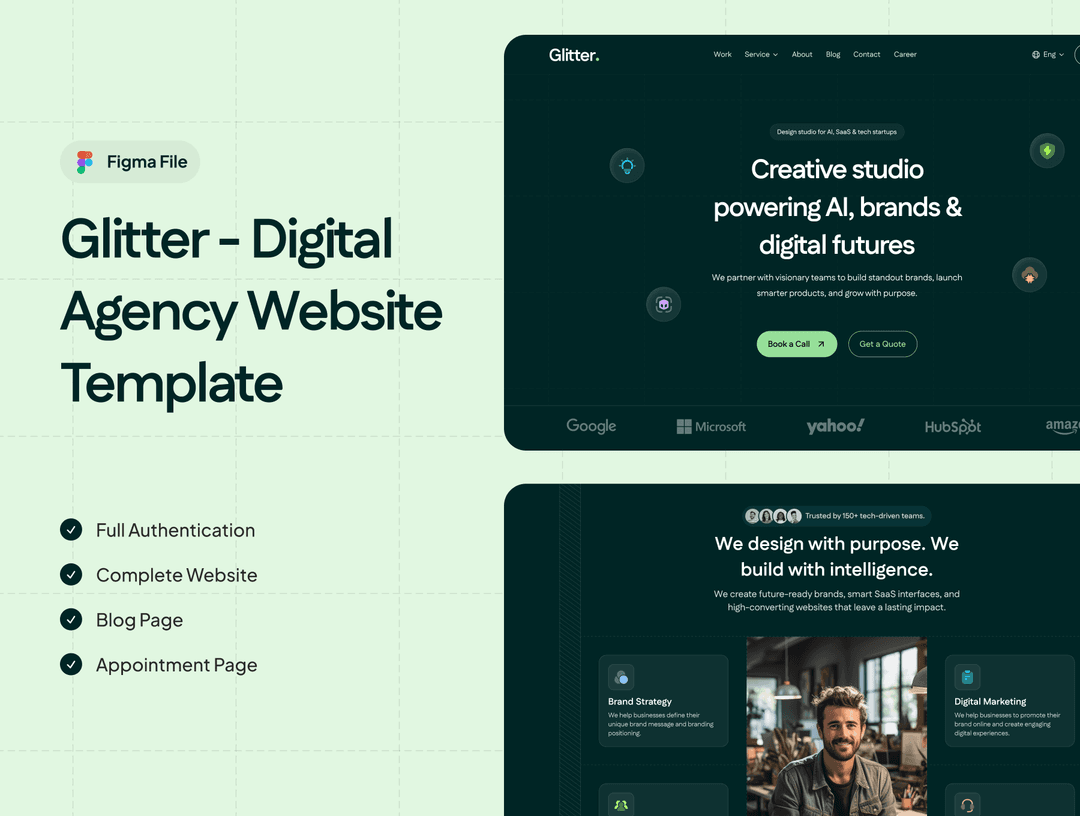
Portfolios lie politely; installed apps do not. Download two or three of each candidate's apps and judge what your users would judge: speed, broken flows, review scores, last update date. For full transparency, here is that same test applied to us: you can install our Chess Timer right now, walk through shipped client projects on our works page, and even inspect our public design craft on the UI8 marketplace. Any partner you hire should survive exactly this level of inspection.
4. Match the Firm Type to Your App
Teams specialize more than their websites admit. A mobile app design firm excels at flows, prototypes, and polish but may subcontract engineering; a full-stack shop builds everything but charges engineering rates for design thinking. Match accordingly: heavy consumer UX, go design-led; complex backends, go engineering-led. Platform matters too: if your market runs Android-first, an android app design agency with real Kotlin and Play Store experience will beat a generalist guessing at Google's conventions.
5. Interrogate Process Before Price
Ask how they work, and listen for mechanism, not adjectives. What you want to hear: named people by seniority, weekly demos you can install, ranged estimates with documented assumptions, and a definition of "done" per feature. Ask specifically whether they offer mobile app development consulting as a paid discovery or design phase first; teams confident in their value happily start small because small engagements sell big ones.
6. Trial Them Small, Commit Big Later
Never sign a six-figure build with a team you have not worked with. The smart audition is a bounded first engagement: a design phase that delivers flows, wireframes, and a tappable prototype in a few weeks. You learn their communication rhythm, their honesty about trade-offs, and their actual craft, for a fraction of the build cost. That is precisely what our own Mobile App Design service is built to be: a 3 to 6 week engagement starting at $600 that lets you test a partner before the real money moves.

7. Get Ownership and Aftercare in Writing
Before signing, the contract must answer, in writing: you own the source code, design files, and store accounts; payments follow approved milestones, not calendar dates; post-launch support terms, bug-fix windows, and maintenance pricing are stated; and handover documentation lets any competent team continue the app. Anything verbal will not survive the first disagreement.
The Scorecard: Compare Your Final Three Objectively
| Criterion | Weight | What a 5 looks like |
|---|---|---|
| Shipping proof | 25% | Live, recent, well-reviewed apps you installed yourself |
| Communication | 20% | Weekly demos, named contact, answers in plain language |
| Delivery process | 20% | Milestones, QA gates, written definition of done |
| Platform and UX craft | 15% | Platform-convention fluency and a visible design standard |
| Commercial terms | 10% | Itemized estimate, milestone payments, clear scope |
| References | 10% | Past clients, including one whose project struggled |
Score each finalist 1 to 5 per row, multiply by weight, and the spreadsheet usually makes the emotional argument for you.
7 Red Flags Worth Walking Away From
- No live apps you can install today, only mockups and NDA excuses
- A quote far below every other bid, with scope "to be defined"
- More than 40% of the budget demanded upfront
- Senior people in the sales call who vanish after signing
- They ask zero questions about your users before quoting
- Code, repo, or store accounts stay "with them for safety"
- Pressure tactics: this price only lasts this week
5 Questions That Reveal Everything
- "Show me the last three bugs your QA caught before shipping." Green answer: specifics within minutes. Red answer: "our process is very robust."
- "Give me the last six release dates for an active client." Healthy teams ship every one to two weeks; four-to-six-week silence between releases is drift hiding behind ceremony.
- "Tell me about a project that went badly." The most predictive question on this list. Green answers name the failure, own it without blaming the client, and describe the exact process change that followed.
- "Who writes my code, by name, and can they change mid-project?" Green: named seniority and honest stability commitments.
- "What happens to the code, accounts, and payments if we part ways at month three?" Green: immediate, boring, written answers.

Frequently Asked Questions
How much should I pay a mobile app development partner?
2026 ranges cluster around $15k to $35k for a disciplined MVP and $25k to $85k for an average two-platform app. A quote far below every competitor is not a discount; it is a missing piece you will fund later at double rates.
Agency, freelancer, or in-house: which should I choose?
Freelancers fit tiny, well-specified scopes you can supervise. In-house fits companies shipping constantly for years. For a first serious app, an agency partner gives you the full team of designer, developers, QA, and project management without permanent payroll.
Is an offshore partner worth the risk?
Geography matters less than structure. Regional rates differ 3x to 5x, which makes offshore genuinely attractive when you get named senior oversight, weekly installs, milestone payments, and written ownership. Without those, any location is risky.
What is a consulting-first engagement?
It is a paid, bounded discovery or design phase that precedes any build contract: a few weeks, fixed deliverables like flows and a tested prototype, and a verdict on scope and budget. Good partners offer mobile app development consulting this way because it protects both sides from a blind commitment.
How long should a partner take to deliver an MVP?
Two to four months for a disciplined MVP is realistic, with installable progress every week. If a partner estimates four months but cannot show you working builds from week two, the timeline is a hope, not a plan.
Test Your Next Partner the Cheap Way
| Your position | The low-risk move | Next step |
|---|---|---|
| Comparing candidates | A paid design phase as the audition | Our Mobile App Design service, 3 to 6 weeks from $600 |
| Ready for a real conversation | Scoped quote plus proof of shipped work | Get a quote after reviewing our works |
The partner you want is the one that survives a small trial with its promises intact. Everything else is marketing.
Tags:#Mobile App Design#App Development#Hiring
Written byFounder & Lead Developer
Nayef
Visit Website ↗Tech enthusiast, lead developer, and founder of Quadiz.