Asking how can a mobile app help my business is the right question, but most answers are adjectives instead of numbers. Here is the honest version: with real statistics for each benefit, a short test to tell whether an app fits your business at all, and the point where ready-made tools stop and it is time to build custom business apps that match how you actually work.
How Can a Mobile App Help My Business? 7 Concrete Ways
1. You Live on the Device Customers Check All Day
People spend 94% of their phone time inside apps and only about 6% in the browser, and mobile purchases already make up 59% of global ecommerce. A website waits for customers to remember you; an app sits one tap away on the same home screen as their bank and their photos. Every day that icon is visible, your brand gets free impressions no ad budget can buy.
2. You Get a Direct Channel With No Algorithm in Front
Email open rates sink and social posts reach a fraction of your followers, but a push notification lands directly on the lock screen, with no platform deciding who sees it. Used with discipline, that channel powers restock alerts, appointment reminders, and win-back offers. One honest warning: users delete apps that nag, so every notification should answer "why does this help me right now?" for the reader, not the sender.
3. You Convert Better Than Your Mobile Website
Shopping apps convert around 3x higher than mobile websites, and people spend roughly 18x longer inside shopping apps than on mobile web stores: 201.8 minutes a month versus 10.9. The smart split is cooperation, not competition. Your mobile website wins new visitors from Google; your app turns them into regulars, and about 70% of purchases already happen through apps.
4. You Make Repeat Business Mechanical
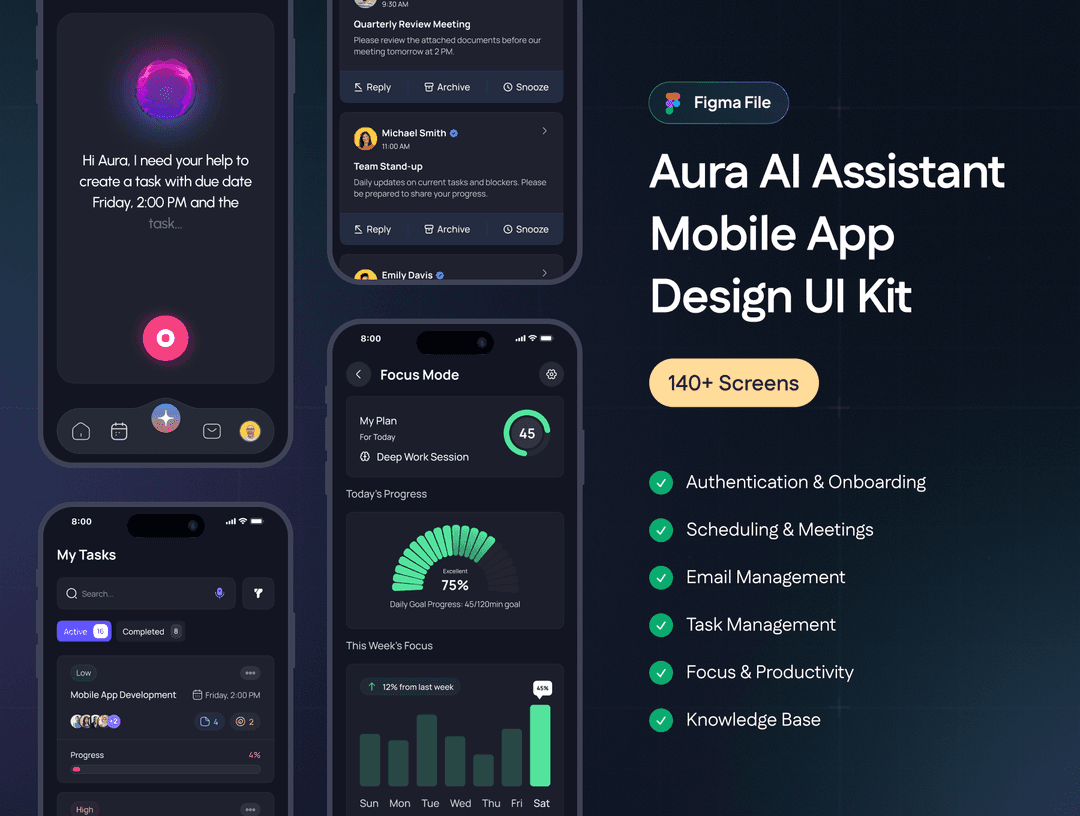
Repeat purchases are the cheapest revenue you will ever earn, and apps turn them into a system: loyalty points, usage streaks, refill reminders, reorder buttons. Our own hydration app, Smarter Hydrate, is built on exactly these mechanics, using badges and progress history to pull people back on day ten, not just day one. Our quiz app Quizoo does the same job with coins and leaderboards for learners. The same playbook works for coffee shops, clinics, and course sellers alike.
5. You See What Customers Actually Do
Surveys tell you what customers say; app analytics show what they do. Which products get viewed and skipped, where carts get abandoned, which feature gets used every day and which one nobody finds: this data ends arguments in planning meetings. Businesses with an app stop guessing which offer to send and start sending the one the numbers already validated.
6. You Take Repetitive Work Off Your Team
Every "is my order ready?" call, every rescheduled appointment, every price question answered by staff is a cost that repeats daily. An app with self-service booking, order tracking, and a decent help section deflects that volume quietly. Your team handles exceptions and relationships while the app handles the routine, at 2 am, without overtime.
7. You Look Established Before You Are
A clean, working app in the stores signals that your small business operates at big-company standards. When travel planner David Erazo came to us, the brief was a simple trip-planning product; the shipped app, which you can see in our works, gives a solo founder the presence of a funded startup. Perception is not everything, but in competitive niches it is often the first thing.

Do You Actually Need an App? The Honest Test
Not every business does, and pretending otherwise is how budgets die. Ask four questions. One: do customers come back more than once or twice a year? Two: do you already have a base of customers you can invite into the app on day one? Three: is there a transaction or routine (booking, reordering, learning, tracking) the app would make easier? Four: can you fund not just the build but 15 to 20 percent of it yearly for maintenance? Two or more solid yes answers and an app is likely a good bet. Otherwise, a fast mobile website plus the habits in section three will carry you further for less.
When It's Time to Build Custom Business Apps
Template tools and generic platforms are fine for testing the water, and many businesses should start there. The moment the template starts arguing with your process is the signal to build custom business apps: when your loyalty logic does not fit their presets, when your booking flow has real-world exceptions, when brand polish starts deciding whether customers trust you with money, or when you need your data in your own system, not rented from a platform.
Custom does not mean starting blind. The evidence you gathered from the simple version becomes the spec for the real one, and the professional path starts with design, not code: user flows, wireframes, and a tappable prototype you can test for real before any build budget moves. That is exactly what our Mobile App Design service delivers in 3 to 6 weeks, starting at $600.

Frequently Asked Questions
Does a small business really need a mobile app?
Not always. An app earns its keep when customers return regularly and there is a repeatable transaction or routine to simplify. If your business runs on one-off purchases from search traffic, improve the mobile website first and revisit the app once you have a returning base.
How much does an app for my business cost?
2026 guides put a disciplined business MVP at roughly $15k to $35k, with maintenance of 15 to 20 percent per year after launch. The safest first investment is design: a prototype-tested plan runs from $600 and tells you whether the bigger number is worth spending.
Is a mobile website enough, or do I need an app too?
You want both, playing different roles. The website wins discovery through search; the app wins retention and conversion, converting around 3x better than mobile web. About 70% of purchases already happen through apps rather than browsers.
Which businesses benefit most from their own app?
Booking-heavy services like salons, clinics, and consultants; repeat-purchase retail and food; learning, fitness, and content products; and any business where loyalty programs or reminders change lifetime value.
How do I measure whether my app is paying off?
Watch week-one and week-four retention, repeat purchase or rebooking rate, support-ticket volume, and revenue attributed to the app versus the site. If those four trend the right way, the app is an asset; if not, it is a cost with an icon.
Find Out If an App Fits Your Business
| Where you stand | What you need | Next step |
|---|---|---|
| Unsure an app would pay off | A tested prototype and honest scope before any build money moves | Mobile App Design service, from $600, delivered in 3 to 6 weeks |
| Ready to build custom | A team that designs and ships apps real businesses run on | Get a quote or browse our works |
The best app for your business is the one your customers open twice a week. Everything else is just an icon.
Tags:#Mobile App Design#Business Growth#Apps for Business
Written byFounder & Lead Developer
Nayef
Visit Website ↗Tech enthusiast, lead developer, and founder of Quadiz.