You're not alone. Designers, agencies, startups, and product teams face this exact question daily. One tool dominates collaborative UI/UX design and design systems. The other lets you design and publish stunning, high-performance websites instantly—no developer handoff required.
Struggling to decide between Figma and Framer in 2026?
This in-depth, up-to-date guide breaks down Figma vs Framer head-to-head on features, pricing, real-world use cases, pros/cons, and the smartest workflow most experts now recommend. No fluff. Just actionable insights to help you choose (or combine) the right tool and boost your productivity today.
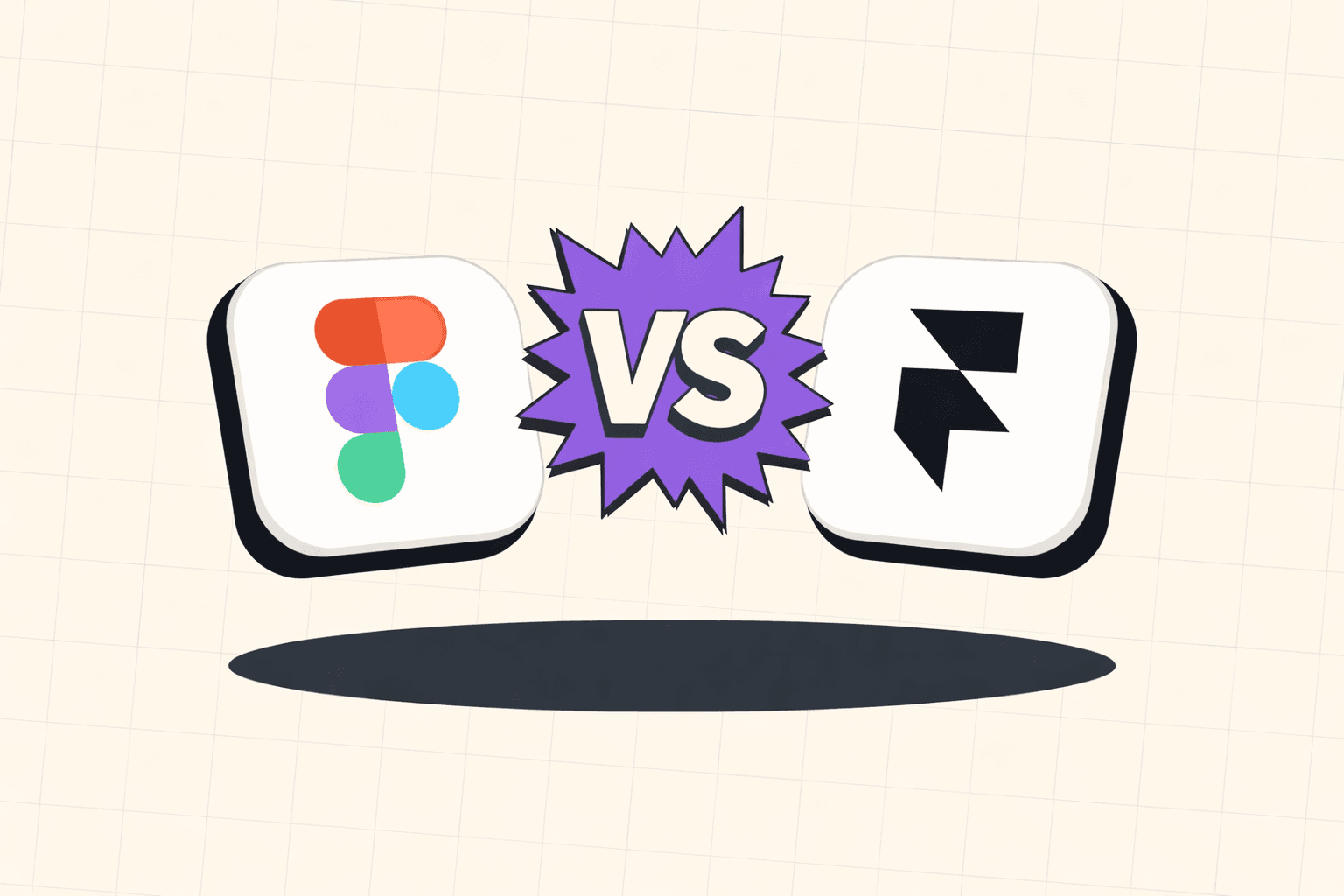
[Featured Image: Clean infographic split screen – left side Figma collaborative file with team avatars and design system components; right side Framer live website preview with CMS content and publish button – alt: "Figma vs Framer side-by-side workflow visual 2026"]
What is Figma?
Figma remains the king of collaborative product design. It’s a cloud-first platform perfect for creating wireframes, high-fidelity UI, complex prototypes, design systems, and developer handoff.
In 2026, Figma excels with advanced variables, multi-mode prototypes, Dev Mode, and even Figma Sites for basic website publishing. Yet its core strength stays team-scale design systems for SaaS apps, dashboards, and mobile products.
What is Framer?
Framer started as a prototyping tool but evolved into the ultimate no-code website builder. You design beautiful, interactive layouts and publish live production websites with one click—complete with built-in CMS, advanced animations, SEO, hosting, and performance optimizations.
Perfect for marketing sites, landing pages, portfolios, and motion-rich brand experiences.
Quick Fact (2026): Smart teams don’t pick one—they use Figma for the “brain” (product systems) and Framer for the “face” (public websites).
Figma vs Framer: Side-by-Side Comparison (2026)
| Category | Figma | Framer | Winner |
|---|---|---|---|
| Core Purpose | Product/UI/UX design & systems | Design + publish live websites | Tie (use case) |
| Output | Design files + prototypes | Fully functional live sites | Framer |
| Best For | SaaS, apps, dashboards, large teams | Marketing sites, portfolios, landing pages | Depends |
| Publishing | Basic (Figma Sites) | One-click, custom domain, high-performance | Framer |
| Animations | Prototype-level | Production-ready, advanced motion | Framer |
| CMS | No | Mature, relational, localization | Framer |
| Collaboration | Industry-leading (unlimited viewers) | Excellent for small teams | Figma |
| Dev Handoff | Excellent Dev Mode | Not needed – designer publishes | Framer |
| Design Systems | Advanced tokens, variants, libraries | Site-level components | Figma |
Detailed Features Breakdown
Collaboration & Team Workflow
Figma wins hands-down for large product teams. Real-time editing, comments, branching, version history, and unlimited free viewers make stakeholder reviews effortless. Framer handles co-editing well but shines for solo designers or small creative teams.
Prototyping & Interactions
Figma offers powerful conditional logic and variables for simulating complex apps. Framer takes prototyping to production level—every hover, scroll, or micro-interaction you design becomes part of the live website.
Design Flexibility & Canvas
Both feel intuitive, but Framer’s canvas behaves like real web (responsive breakpoints, layout rules). Figma’s infinite canvas excels at multi-screen product flows.
Publishing & Performance
This is where Framer destroys the competition. Publish with SEO, SSR, analytics, A/B testing, and blazing speed. Figma Sites is improving fast but still feels like an add-on, not a native strength.
AI Features (2026)
Both tools deliver strong AI. Figma generates variants and auto-layouts. Framer offers AI site generation, wireframing, and smart components—perfect for rapid launches.
[Image: Side-by-side screenshots – left: Figma file with comments and Dev Mode inspection; right: Framer editor with live preview, CMS collection, and animation timeline – alt: "Real Figma and Framer interfaces comparison screenshot 2026"]
Pricing Comparison
Figma (per editor seat model)
- Starter: Free (limited files)
- Professional: Full seat $16/mo, Dev seat $12/mo, Collab seat $3/mo (annual savings)
- Organization: Full seat $55/mo
- Enterprise: $90+/mo + custom
Framer (per site/project model – more budget-friendly)
- Free: Great for testing
- Basic: $10/mo (annual) – custom domain + hosting
- Pro: $30/mo – advanced CMS + staging
- Scale: $100/mo + usage – high traffic + A/B
Verdict on Cost: Framer usually costs less for freelancers and agencies launching client sites. Figma scales better (but more expensive) for big product teams.
[Image: Clean pricing comparison chart with icons showing monthly costs, included features, and “Best for” badges – alt: "Figma vs Framer pricing table 2026 visual"]
Pros & Cons
Figma Pros: Unmatched collaboration, best design systems, Dev Mode perfection, massive plugin ecosystem, loved by engineers.
Figma Cons: Cannot ship live production sites easily; higher cost per editor.
Framer Pros: Lightning-fast from design to live site, stunning animations that actually ship, powerful CMS, better value for publishing, incredible creative freedom.
Framer Cons: Less ideal for huge enterprise design systems or 50+ screen apps; slightly steeper curve for advanced web features.
When to Choose Figma, Framer, or Both?
Choose Figma if you:
- Work in large product teams
- Build complex SaaS or mobile apps
- Need rock-solid design systems & dev handoff
- Prioritize stakeholder collaboration
Choose Framer if you:
- Build marketing sites or client websites
- Want to ship fast without developers
- Love advanced animations & CMS
- Are a freelancer, startup, or agency
Best Strategy in 2026 (Recommended by Most Experts):
Use both! Design product systems and flows in Figma → Import or rebuild key screens in Framer → Publish beautiful marketing sites instantly. This hybrid approach is what top agencies and startups actually use.

What Real Users Say
- “Figma for the product brain, Framer for the public face. Game changer.” – Design Director at Series B startup
- Gartner ratings: Figma 4.7/5, Framer 4.6/5 (Framer closing the gap fast on websites)
- Reddit & Twitter consensus: Framer wins for speed-to-launch; Figma still rules product design.
Final Verdict: There Is No Single Winner
Figma wins for product design teams.
Framer wins for anyone who needs to ship beautiful websites quickly.
The real winner in 2026? Designers who master both and pick the right tool for the job.
Start with Figma if your focus is apps and systems. Start with Framer if your goal is launching client or marketing sites this week.
FAQs – Figma vs Framer
1. Can Figma replace Framer?
No. Figma Sites is good for simple pages but Framer remains superior for animations, CMS, and production performance.
2. Can Framer replace Figma?
No. Framer is not built for massive design systems or enterprise product collaboration.
3. Is Framer better for beginners?
Framer feels more magical for quick wins, but Figma has a gentler learning curve and better free resources.
4. Which is cheaper in 2026?
Framer for most website projects. Figma for teams with many editors.
5. Should I learn both?
Yes—100%. The hybrid workflow saves the most time and money.
6. Does Framer support importing from Figma?
Yes, but best results come from clean Auto Layout files. Many designers now design directly in Framer for sites.
7. What about Webflow?
Framer wins on design freedom + speed; Webflow still edges on complex logic for huge sites.
Thank you for reading! Bookmark this guide and share it with your team.

admin
Digital product designer and software engineer at Quadiz studio, sharing insights on conversion-driven UI/UX design, modern web development, and building scalable software.