Essential design principles for modern websites separate forgettable sites from those that convert visitors into loyal customers. In 2026, users expect experiences that feel fast, intuitive, and inclusive across every device. When you apply these essential design principles for modern websites, bounce rates drop, time on site rises, and conversions improve naturally.
These principles combine timeless rules with current demands like mobile-first layouts, accessibility standards, and performance optimization. Follow them and your website will stand out while delivering real business results.
Why Essential Design Principles for Modern Websites Matter More Than Ever
Competition is fierce and attention spans are short. Sites that ignore core principles lose users in seconds. Essential design principles for modern websites help create clear paths, build trust instantly, and work perfectly on phones, tablets, and desktops.
Search engines now favor fast, accessible, and user-friendly experiences. Applying these principles improves rankings and keeps visitors engaged longer. The payoff appears in higher sales, more leads, and stronger brand loyalty.
Simplicity and Minimalism Drive Better Results
Clutter kills conversions. The first of the essential design principles for modern websites is ruthless simplicity. Remove everything that does not serve a clear purpose. Clean layouts with fewer elements help users find what they need faster.
In 2026, minimalism pairs with purposeful whitespace to create breathing room. This approach reduces cognitive load and makes important actions like “Buy Now” or “Sign Up” impossible to miss. Brands that embrace simplicity often see conversion lifts of 20 to 30 percent.
Visual Hierarchy Guides Users Without Confusion
Strong visual hierarchy ranks among the most powerful essential design principles for modern websites. Size, color, contrast, and placement tell users exactly where to look first. Large headlines, bold calls-to-action, and strategic spacing create natural flow.
Users scan pages in an F-pattern. Place key messages and buttons along that path. This principle turns passive visitors into active participants who complete forms or purchases without hesitation.
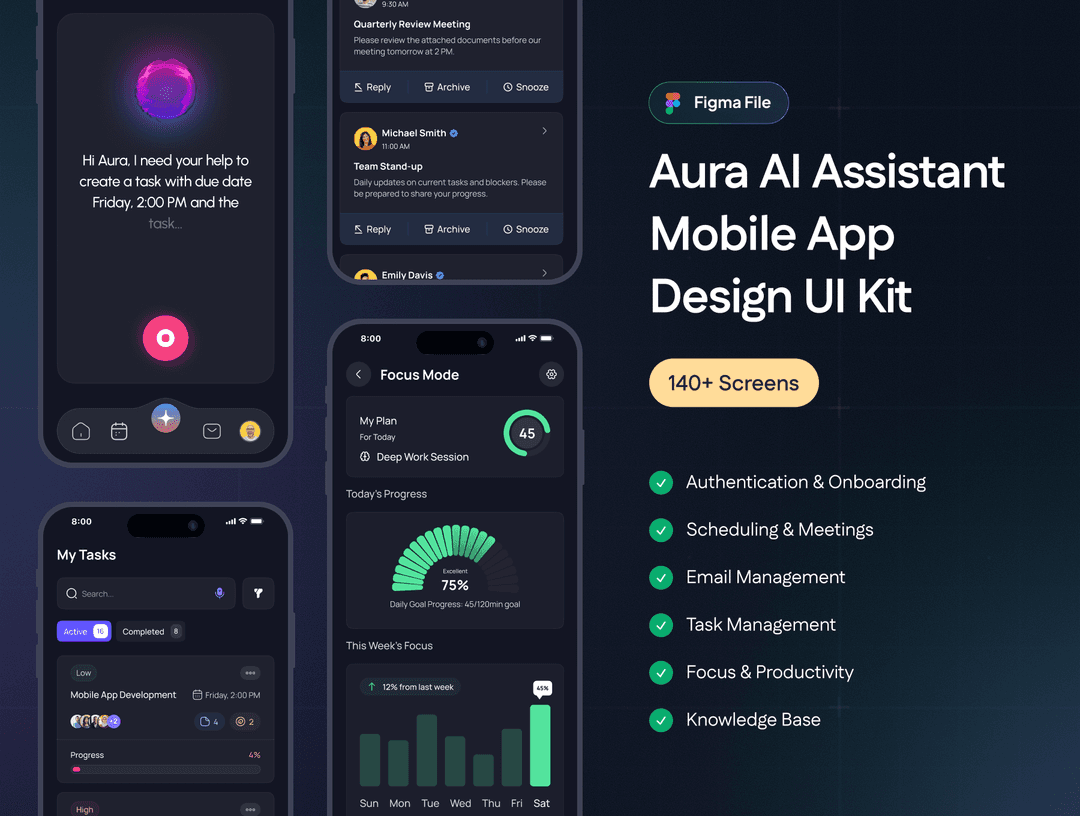
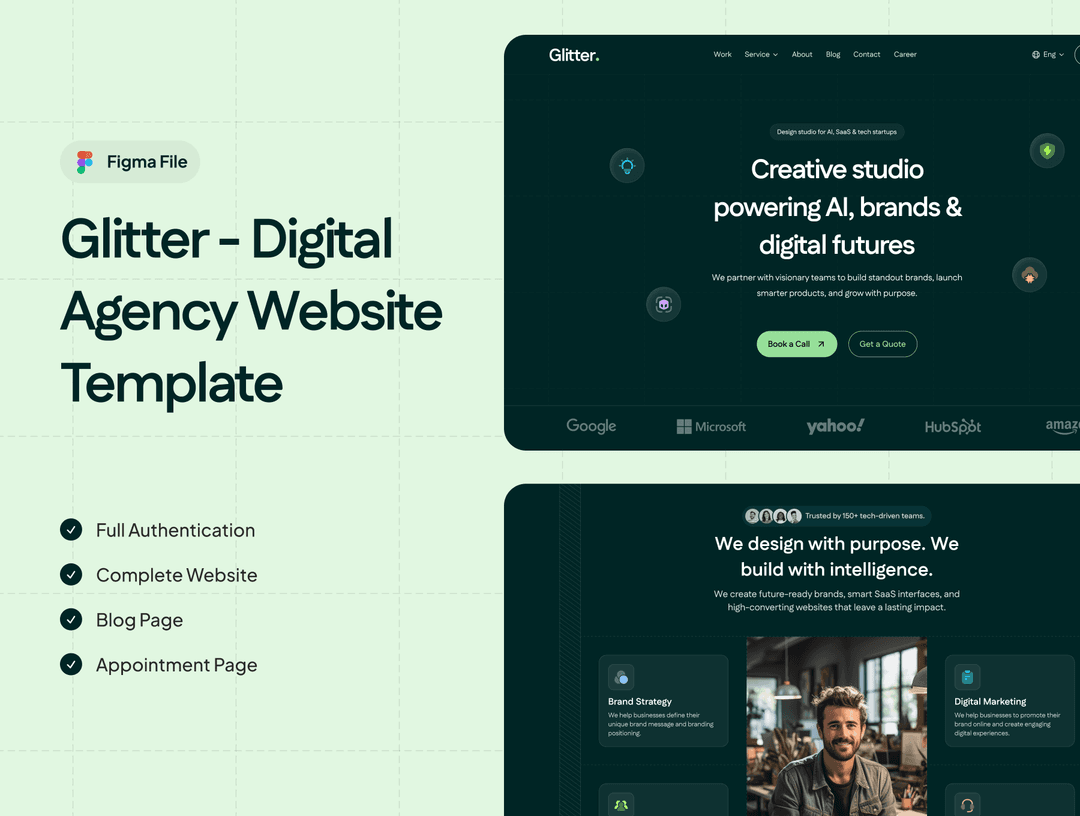
[Image: Clean website layout examples highlighting essential design principles for modern websites including clear visual hierarchy with oversized headings, high-contrast buttons, and generous white space on both desktop and mobile views]

Consistency Builds Instant Trust
Consistency across every page and device forms another key essential design principle for modern websites. Use the same fonts, colors, button styles, and navigation everywhere. Users feel comfortable immediately and trust the brand more.
Inconsistent designs confuse visitors and raise bounce rates. Modern style guides make consistency easy to maintain even as teams grow. When everything looks and behaves the same, users focus on content instead of figuring out the interface.
Accessibility as a Core Requirement
Accessibility is no longer optional among essential design principles for modern websites. High contrast ratios, keyboard navigation, alt text, and clear focus indicators ensure everyone can use your site.
In 2026, inclusive design improves SEO and expands your audience. Tools now check compliance automatically. Sites that follow these standards often report higher engagement from all users, not just those with disabilities.
Responsiveness and Mobile-First Thinking
Every website must adapt perfectly to any screen size. Responsive design principles ensure layouts reflow smoothly without horizontal scrolling or tiny text. Prioritize mobile experiences first, then scale up.
Fast touch targets, simplified menus, and vertical scrolling keep mobile users happy. This essential design principle for modern websites directly impacts conversion rates since over 60 percent of traffic comes from phones.
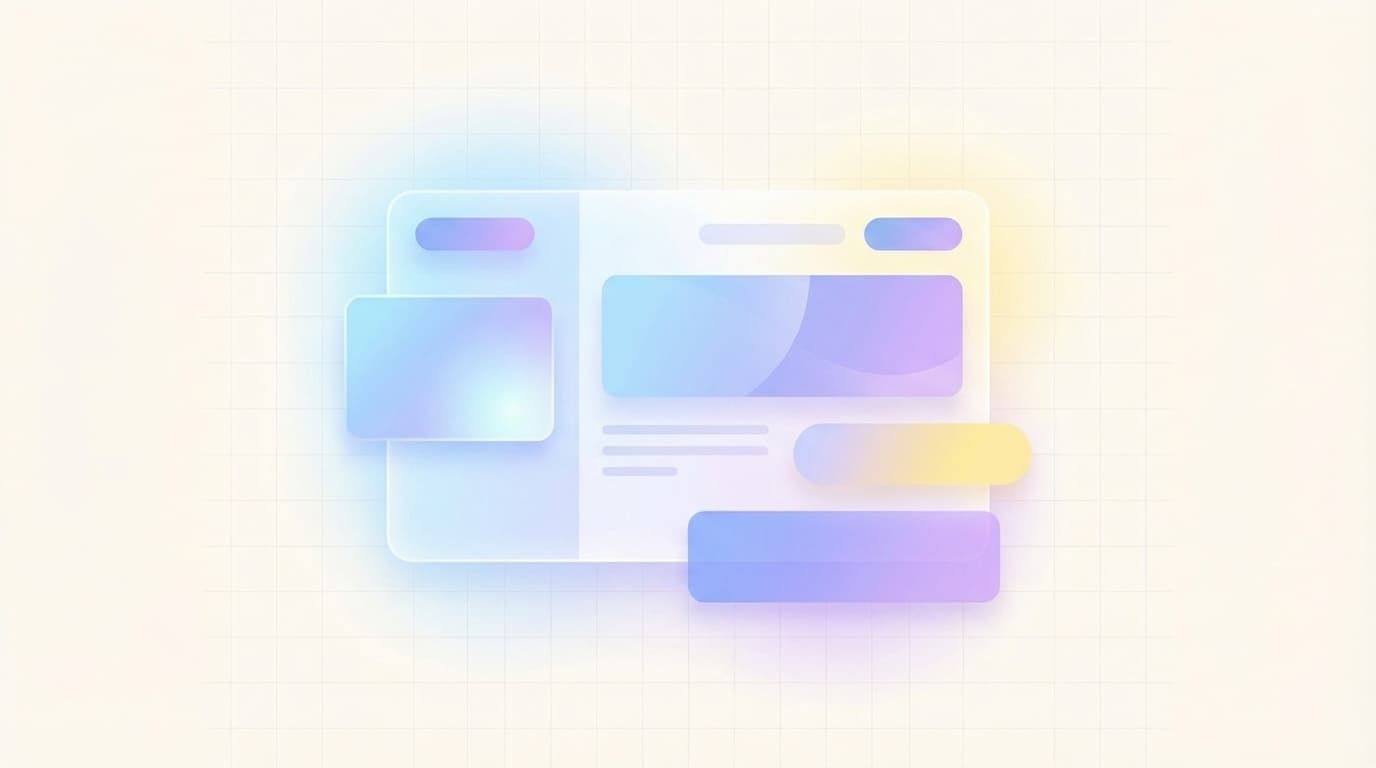
[Image: Side-by-side mobile and desktop website mockups demonstrating responsive design and accessibility features that apply essential design principles for modern websites across different screen sizes and user needs]

Color, Typography, and Emotional Connection
Color psychology and thoughtful typography influence emotions and actions. Choose palettes that match your brand while ensuring readability. Pair them with clear font hierarchies for scannability.
These elements create mood and guide decisions. Subtle animations and micro-interactions add delight without slowing the site. When used correctly, they turn functional pages into memorable experiences.
Performance and Speed as Design Decisions
Speed is now an essential design principle for modern websites. Optimize images, minify code, and use efficient hosting so pages load in under three seconds. Every extra second costs conversions.
Modern principles treat performance as part of the design process, not an afterthought. Tools like Core Web Vitals help measure and improve real-user experience. Fast sites rank higher and keep visitors engaged.
For more context on applying these ideas, review our guide on top web design trends that work in 2026 and how to create a brand identity that stands out in 2026.
The Nielsen Norman Group continues to emphasize that clear hierarchy and accessibility remain top predictors of user success. Smashing Magazine also highlights that combining minimalism with purposeful motion delivers the best engagement in current projects.
Put These Essential Design Principles for Modern Websites Into Practice
Begin with an audit of your current site. Check simplicity, hierarchy, and mobile performance first. Make one change at a time, test with real users, and measure results.
Use modern tools like Figma for planning and Webflow for building to keep everything aligned with these principles. Regular reviews ensure your site stays fresh and effective.
Essential design principles for modern websites deliver more than good looks. They create experiences that feel effortless, inclusive, and fast.
Apply them consistently and watch your website turn more visitors into customers while building lasting trust in 2026 and beyond.
admin
Digital product designer and software engineer at Quadiz studio, sharing insights on conversion-driven UI/UX design, modern web development, and building scalable software.