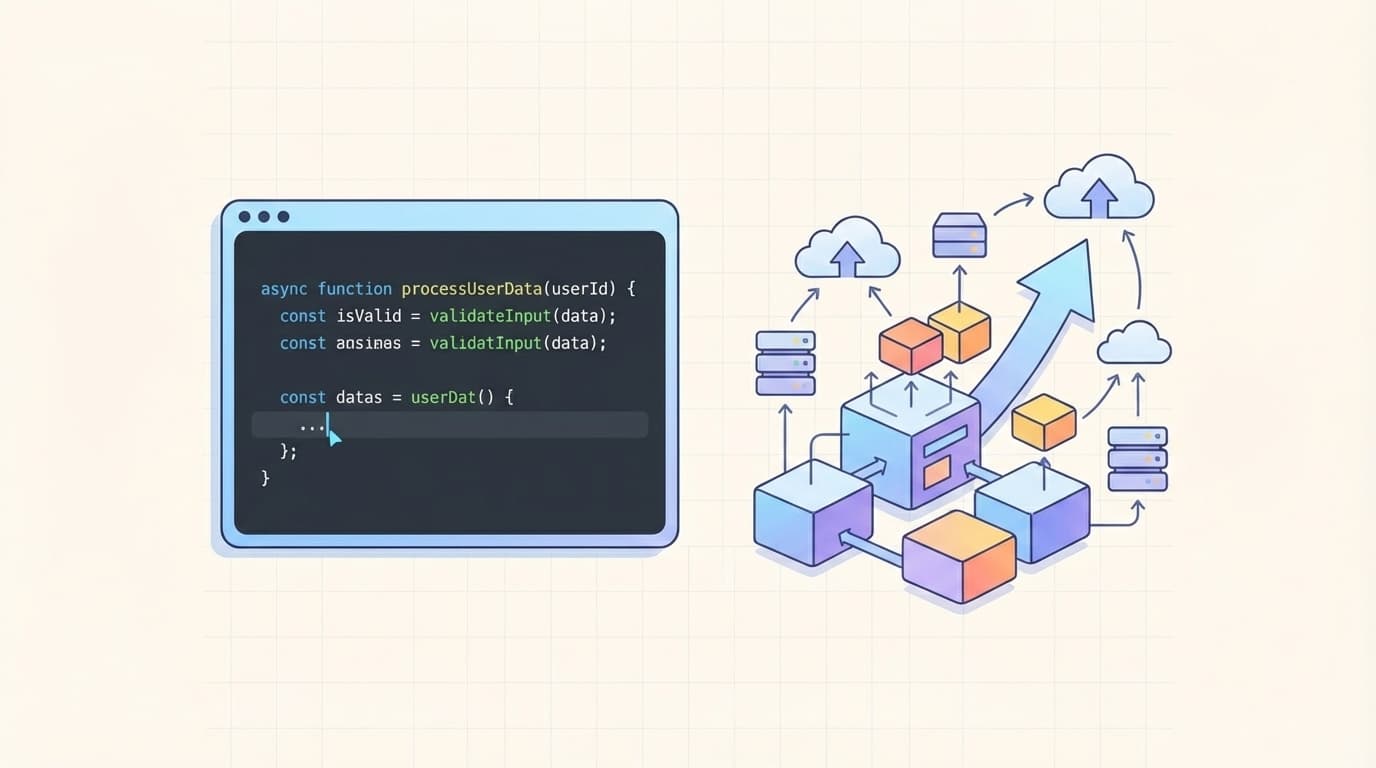
In the competitive world of web development, Why Clean Code Matters for Scalable Web Apps stands out as a foundational truth. As user bases explode and features multiply, messy code quickly becomes a bottleneck. Clean code—well-structured, readable, and intentional—transforms potential chaos into sustainable growth. Developers who master it build applications that adapt effortlessly to millions of users without constant rewrites or skyrocketing costs.
Why Clean Code Matters for Scalable Web Apps is not just a nice-to-have philosophy. It directly impacts performance, team productivity, and long-term business success. Studies and real-world projects show that teams following clean code practices reduce maintenance time by up to 40% and cut bugs significantly. This article breaks down the core reasons, principles, and actionable steps every developer should apply today.
What Exactly Is Clean Code?
Clean code reads like well-written prose. It uses meaningful names, small functions, and clear structure so any developer can understand and modify it quickly. Robert C. Martin, author of the industry-standard book Clean Code, defines it as code that is “easy to read and easy to change.”
Unlike quick-and-dirty scripts that get the job done today but fail tomorrow, clean code follows consistent conventions. It avoids duplication, keeps logic simple, and separates concerns. In scalable web apps built with frameworks like React, Next.js, or Node.js, this clarity prevents cascading failures when traffic spikes.
For instance, a single poorly named variable or nested 10-level if-statement can slow down onboarding new team members by weeks. Clean code eliminates that friction from day one.
[Image: Side-by-side comparison of messy spaghetti code versus organized clean code structure in a web app backend, showing improved readability and modular design for scalability]

Core Principles That Drive Web Application Scalability
Several timeless clean code principles directly fuel scalability. The Single Responsibility Principle ensures each module handles one job only. This makes horizontal scaling straightforward—add servers or microservices without touching unrelated code.
The Open-Closed Principle lets you extend features through new classes instead of modifying existing ones. In practice, this means your e-commerce checkout flow can add payment gateways without risking downtime on live traffic.
Meaningful naming and small functions further enhance web application scalability. A function called processUserOrder that spans 200 lines is impossible to test or reuse at scale. Break it into validateOrder, calculateTotal, and saveToDatabase—each under 20 lines—and suddenly your system handles 10x more requests with confidence.
Commenting sparingly but intentionally also matters. Clean code explains why something exists through structure, not lengthy comments that quickly become outdated.
How Clean Code Directly Boosts Scalability in Practice
Why Clean Code Matters for Scalable Web Apps becomes crystal clear when examining real outcomes. First, maintainability skyrockets. When your codebase stays clean, adding features for growing user demands takes days instead of months. One real-world refactoring example reduced an API layer’s size by approximately 30% while eliminating duplicate logic and enabling consistent error handling across the entire application.
Second, performance improves naturally. Clean code avoids hidden complexity that wastes CPU cycles. Well-structured queries, optimized loops, and separated concerns lead to faster response times under heavy load—critical for scalable web apps serving global audiences.
Third, collaboration becomes seamless. Distributed teams across time zones can contribute without fear of breaking production. Lower employee turnover follows, as developers enjoy working in codebases that spark joy rather than frustration.
Fourth, technical debt stays minimal. Dirty code accumulates interest like a bad loan. Teams using clean code principles report dramatically lower refactoring costs and fewer emergency hotfixes during peak seasons.
External studies from SonarSource confirm that high code quality reduces business risk, accelerates DevOps velocity, and extends application lifespan. Similarly, a detailed analysis on dev.to highlights how clean code simplifies adding new features while adapting to changing requirements—exactly what scalable web apps demand.
For deeper reading on these benefits, check this excellent overview from dev.to. Developers also swear by Robert C. Martin’s classic Clean Code, available on Amazon.
Practical Steps to Implement Clean Code in Your Web Projects
Start small but stay consistent. Use linters like ESLint with strict rules and Prettier for automatic formatting. These tools enforce clean code principles before code even reaches version control.
Adopt test-driven development. Writing tests first naturally forces small, focused functions—the backbone of maintainable scalable web apps.
Refactor regularly during sprints rather than waiting for a massive overhaul. Schedule “clean code days” quarterly to pay down debt proactively.
In frontend frameworks, apply component composition in React or modular services in Express. Keep files under 200 lines and components under single responsibilities. For backend scalability, use clean architecture layers—entities, use cases, and adapters—so database changes never ripple through your entire system.
Tools like SonarQube provide automated insights into code maintainability, helping teams track progress toward cleaner, more scalable web apps.
Real-World Impact and Long-Term Advantages
Companies that prioritize clean code thrive at scale. Refactored codebases handle traffic surges without performance degradation. New developers ramp up faster, reducing hiring and training expenses.
Moreover, clean code future-proofs your investment. As AI-assisted coding tools evolve in 2026, they work best with clear, well-structured input—turning potential chaos into even greater productivity.
Ultimately, Why Clean Code Matters for Scalable Web Apps boils down to one idea: build for tomorrow, not just today. The extra hours invested in readability and structure pay massive dividends in speed, stability, and team happiness.
By applying these principles consistently, your web applications will grow smoothly, adapt quickly, and remain reliable no matter how large your audience becomes. The result is not only better software but also a more efficient, confident development team ready for whatever comes next.
[Image: Clean minimalist diagram of modular web application architecture with clean code layers enabling horizontal cloud scaling, arrows showing growth from 1K to 1M users, professional tech illustration style]

Start auditing your current projects this week. Small changes compound into extraordinary scalability. Your future self—and your users—will thank you.
Thumbnail Image Prompt: Create a clean, minimal, and simple featured image for the blog post "Why Clean Code Matters for Scalable Web Apps". Show a modern code editor window on the left displaying neatly organized, readable code snippets with meaningful variable names and short functions. On the right, illustrate a growing scalable web app architecture with modular blocks, cloud icons, and upward growth arrows. Use a pure white background with subtle blue and teal accents only. Professional, minimalist tech style, high resolution, no text or clutter on the image, clean lines, balanced composition, suitable for website header.
admin
Digital product designer and software engineer at Quadiz studio, sharing insights on conversion-driven UI/UX design, modern web development, and building scalable software.