Learning how to build faster websites without losing quality has become a must-have skill in 2026. Users expect pages to load in under 2 seconds, and Google rewards fast sites with better rankings. The best part? You can dramatically improve speed while keeping beautiful design, smooth animations, and all features intact.
This guide shares practical, proven strategies that developers and agencies use every day. Follow these steps and you will build faster websites that rank higher, convert better, and cost less to maintain.
Why Website Speed Matters More Than Ever
Slow websites lose money. Studies show that every extra second of load time reduces conversions by 7% and increases bounce rates by 32%. In 2026, with mobile-first traffic dominating, fast loading websites are no longer optional.
Search engines now use Core Web Vitals as a ranking factor. Sites that build faster websites enjoy higher visibility and happier users. The good news is that modern techniques let you achieve both speed and quality at the same time.
7 Proven Techniques to Build Faster Websites Without Losing Quality
Here is a clear, actionable list of methods that deliver real results:
- Optimize Images the Smart Way Use next-gen formats (WebP, AVIF) and serve responsive sizes. Tools automatically compress without visible quality loss.
- Enable Browser Caching Tell browsers to store static files so returning visitors load pages instantly.
- Minify and Combine Files Remove unnecessary whitespace and merge CSS/JS files to reduce HTTP requests.
- Use a Content Delivery Network (CDN) Deliver assets from servers closest to each user for lightning-fast response times.
- Implement Lazy Loading Load images and videos only when they scroll into view—perfect for long pages.
- Choose Modern Frameworks Next.js, Nuxt, and SvelteKit automatically handle code splitting and server-side rendering.
- Apply Critical CSS and Deferred JavaScript Load only essential styles first so users see content immediately.
These steps let you build faster websites while preserving every pixel of design quality.
[Image: Clean before-and-after comparison showing a slow website loading at 4.8 seconds with blurry images versus the same site optimized at 0.9 seconds with sharp visuals, fast loading indicators, and green performance scores]

Performance Techniques Comparison Table
The table below shows exactly how each technique impacts speed and quality:
| Technique | Speed Improvement | Quality Impact | Difficulty | Best For |
|---|---|---|---|---|
| Image Optimization | 40–60% | None (keeps sharpness) | Easy | All image-heavy sites |
| Browser Caching | 30–50% | None | Easy | Returning visitors |
| CDN | 25–40% | None | Medium | Global audiences |
| Lazy Loading | 20–35% | None | Easy | Blogs & e-commerce |
| Critical CSS | 15–30% | None | Medium | Marketing websites |
| Modern Frameworks | 50–70% | Improves UX | Medium | New projects |
Use this table as your quick checklist when planning any project.
Essential Tools to Build Faster Websites in 2026
These tools make optimization automatic and painless:
- PageSpeed Insights and Lighthouse – Free Google tools that give instant scores and fixes.
- Image optimization plugins – Cloudinary, Imgix, or built-in Next.js Image component.
- Performance monitoring – Vercel Analytics, New Relic, or Sentry for real-user data.
- Build tools – Vite, Turbopack, and esbuild for ultra-fast compilation.
Combine these with the techniques above and you will consistently build faster websites that score 95+ on Core Web Vitals.
For deeper technical guidance, read the official Web Performance guide at web.dev. If you are choosing technologies, check our earlier article on Frontend vs Backend Development: What Clients Should Know.
Common Pitfalls That Kill Website Speed
Avoid these mistakes that many developers still make:
- Uploading unoptimized high-resolution photos straight from phones
- Loading heavy third-party scripts (like old analytics or chat widgets) at the top of the page
- Using too many custom fonts without proper subsetting
- Ignoring mobile performance while only testing on desktop
- Forgetting to set proper cache headers on servers
Catching these early saves hours of rework later and helps you build faster websites from the start.
Advanced Tips for Long-Term Web Performance Optimization
Once your site is fast, keep it that way:
- Schedule monthly performance audits
- Set up automated Lighthouse tests in your CI/CD pipeline
- Monitor real-user metrics (not just lab data)
- Use skeleton loaders and optimistic UI updates for instant perceived speed
These habits ensure your fast loading websites stay fast even as you add new features and content.
[Image: Minimalist infographic of a modern website performance dashboard with green 98 score, speed metrics, Core Web Vitals bars, and clean icons representing optimized images, caching, and CDN on a white background]

Start Building Faster Websites Today
The secret to success is combining small, consistent improvements. Begin with image optimization and a CDN—these two alone can cut load times in half without touching your beautiful design.
Whether you run a small business site, an e-commerce store, or a complex web app, the same principles apply. Focus on user experience first, then apply the techniques above, and you will build faster websites that stand out in 2026.
Your users will notice the difference instantly, your search rankings will improve, and you will spend far less time fixing performance issues later. The result is a professional, high-converting website that grows with your business.
Take the first step this week: run your current site through PageSpeed Insights and pick one technique from the list. Small changes compound into extraordinary speed and quality.
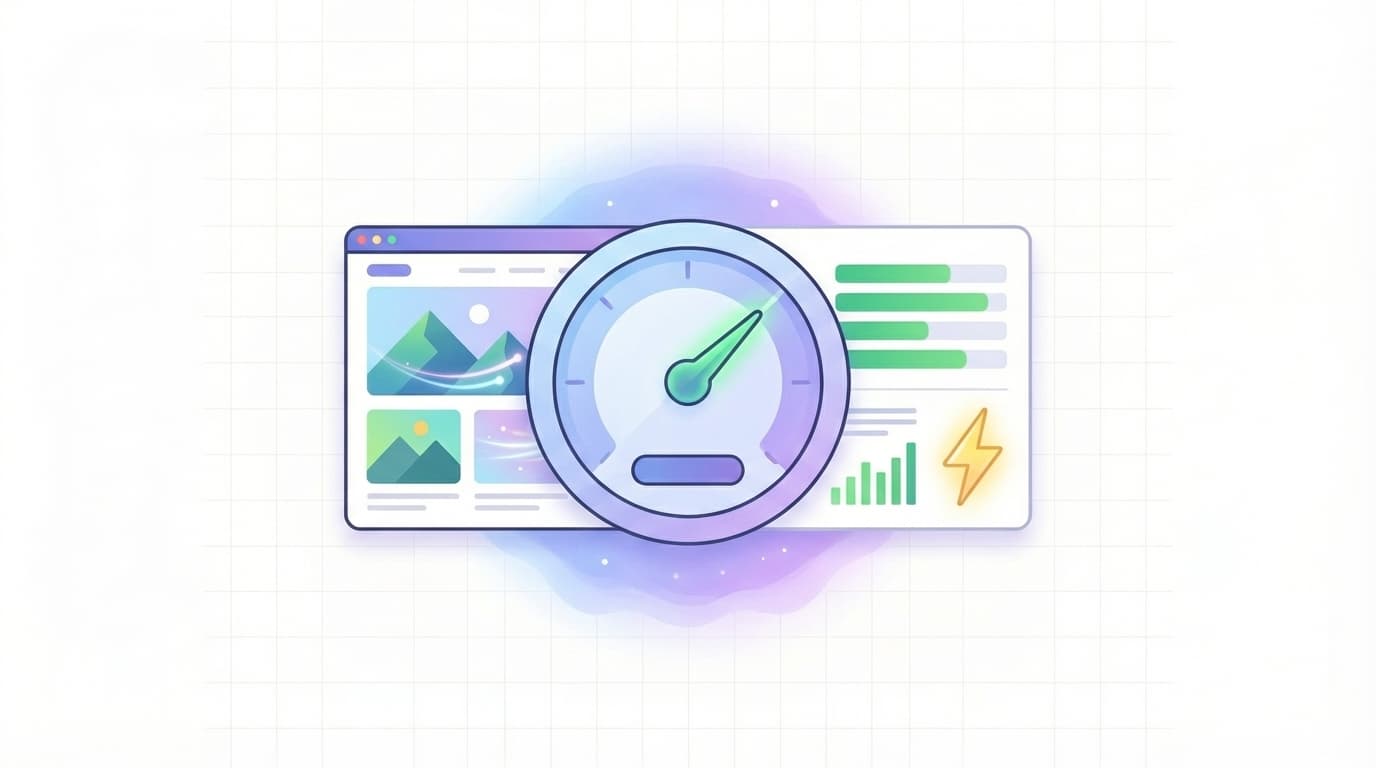
Thumbnail Image Prompt: Create a clean, minimal, and simple featured image for the blog post "How to Build Faster Websites Without Losing Quality in 2026". Show a sleek speedometer icon merged with a modern website layout on a pure white background. Left side displays a fast-loading webpage preview with sharp images and smooth animations; right side shows green performance metrics and lightning bolt symbol. Use subtle blue and teal accents only. Professional minimalist tech style, high resolution, balanced composition, no text or clutter, clean lines, perfect for website header.
admin
Digital product designer and software engineer at Quadiz studio, sharing insights on conversion-driven UI/UX design, modern web development, and building scalable software.