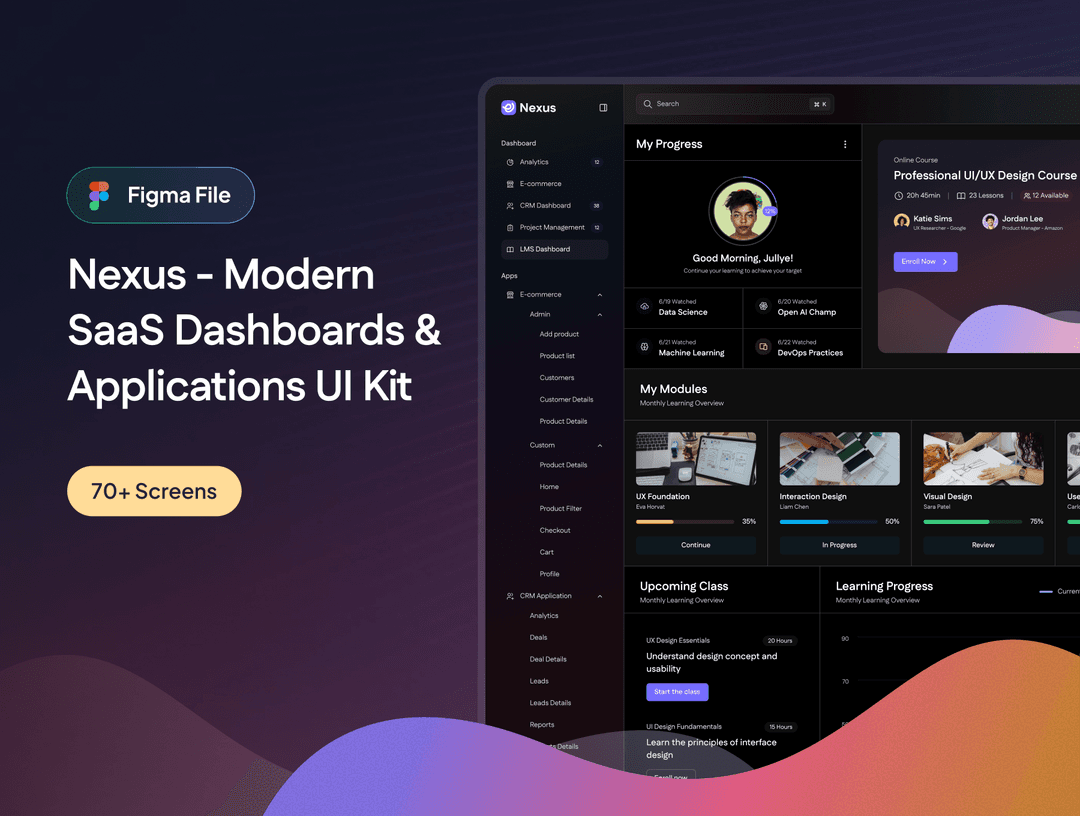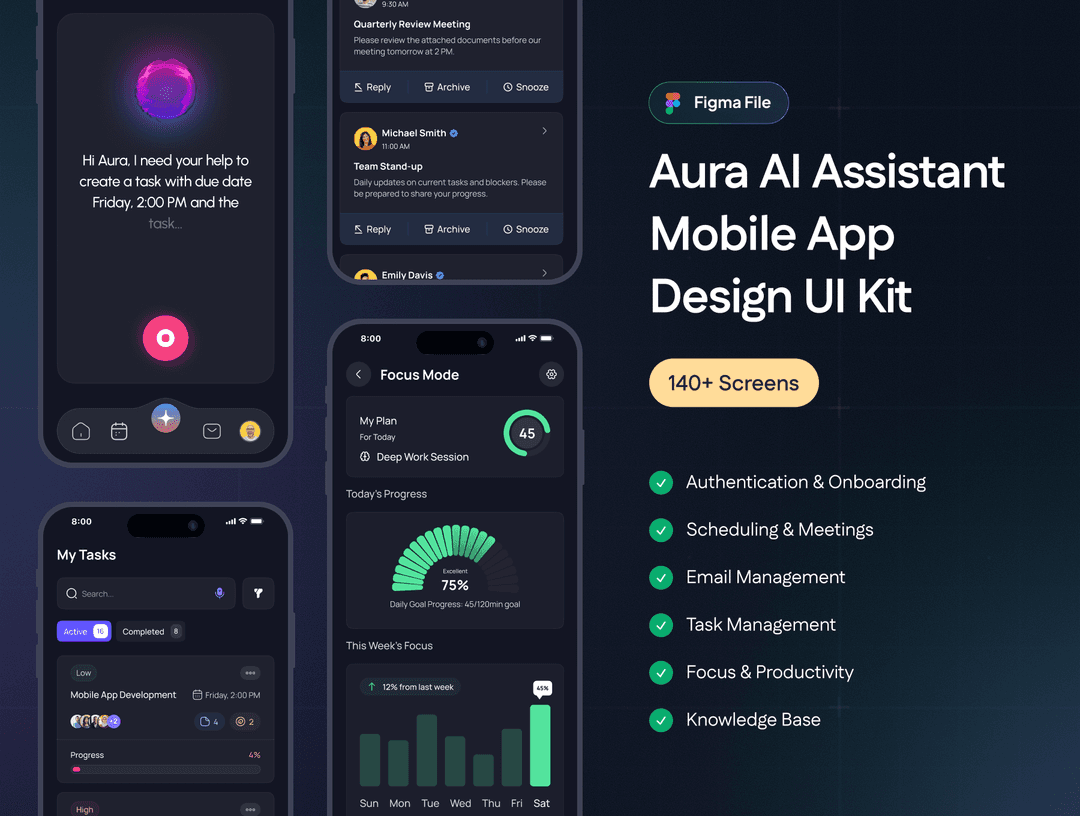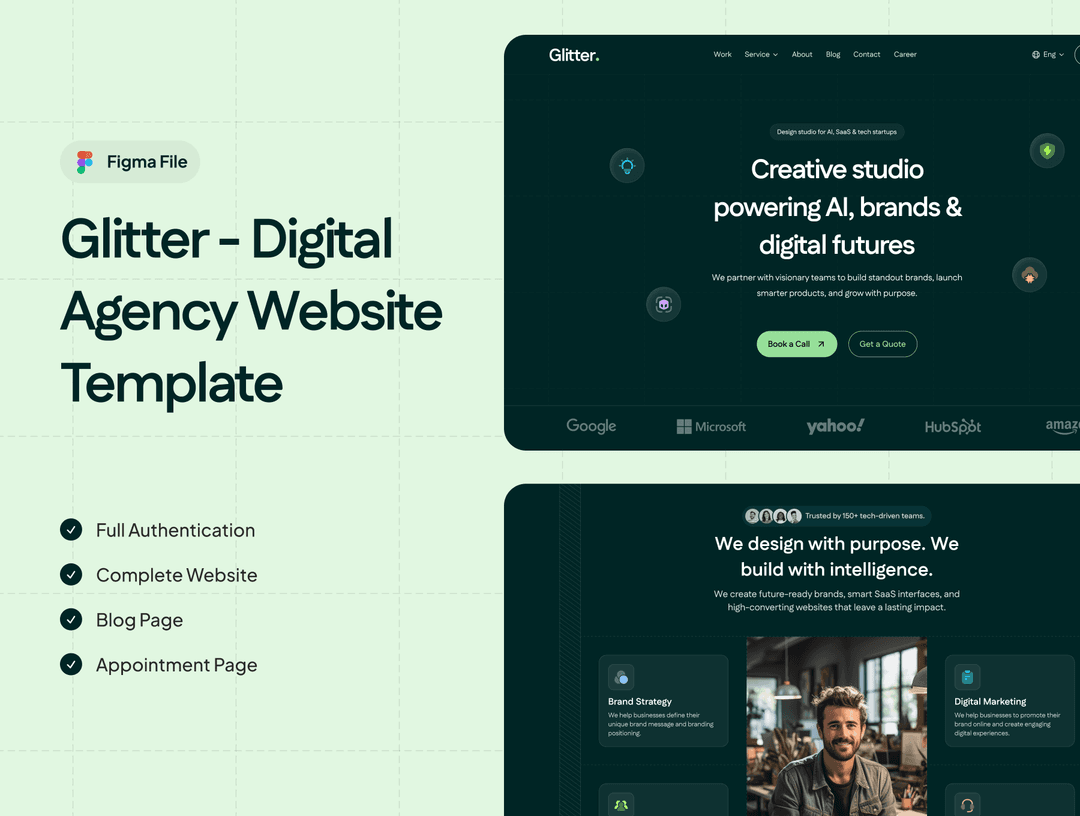
AI in smarter UI/UX design has become the foundation of modern digital experiences in 2026. Product teams now rely on AI in smarter UI/UX design to generate layouts instantly, predict user needs before they arise, personalize every screen, and test usability at scale. This shift allows designers and developers to create interfaces that feel natural, reduce friction, and keep users coming back longer. The combination of speed, intelligence, and empathy is redefining what great design looks like today.
Generative AI Accelerates Design Creation
AI in smarter UI/UX design transforms how designers start and iterate. Text prompts turn into polished wireframes, high-fidelity mockups, and clickable prototypes in seconds. Designers can request variations, dark mode versions, or mobile adaptations with simple instructions and receive multiple high-quality options instantly.
This capability cuts initial design time dramatically while encouraging more experimentation. Teams explore bold ideas without the usual time penalty. Generative tools also enforce brand consistency across entire product suites automatically, so colors, typography, spacing, and icon styles stay perfect even when hundreds of screens are created quickly.
Hyper-Personalization and Adaptive Interfaces
AI in smarter UI/UX design enables experiences that change for each user in real time. Layouts reorder, colors adjust for mood or accessibility needs, navigation simplifies for beginners, and content prioritizes based on past behavior and current context. A dashboard might show detailed metrics to experts and clean summaries to newcomers — all dynamically.
These adaptive interfaces increase engagement and lower abandonment rates. Users feel the product understands them, which builds trust and loyalty faster than static designs ever could.

Predictive Usability Testing and Smart Insights
Traditional user testing takes weeks and limited participants. AI in smarter UI/UX design now simulates thousands of diverse users instantly. Advanced systems generate predictive heatmaps, eye-tracking estimates, click-flow predictions, frustration detection, and accessibility audits without any real humans involved.
Designers receive prioritized issue lists with severity scores and suggested fixes. The tool even forecasts how small tweaks will affect key metrics like conversion rate or time-on-task. This data-driven feedback loop lets teams iterate confidently and launch stronger products faster.

Intelligent Interactions and Proactive UX
Interfaces powered by AI in smarter UI/UX design anticipate actions instead of waiting for them. Smart suggestions appear exactly when needed, forms pre-fill intelligently, empty states provide helpful guidance, and micro-interactions feel natural and contextual.
Multimodal inputs — voice commands, gestures, camera scans — blend seamlessly. The product becomes an active partner that learns from every session and improves continuously. This proactive approach turns good experiences into delightful ones that users rave about.
Addressing Challenges in AI-Driven UI/UX
AI in smarter UI/UX design brings tremendous power, but it demands thoughtful implementation. Over-reliance on generic outputs can lead to bland designs, so designers must supply detailed prompts, brand assets, and creative direction to keep results unique.
Ethical concerns around personalization bias, data privacy, and inclusivity require ongoing attention. The best teams treat AI as a powerful assistant, not a replacement. Human oversight ensures emotional intelligence, cultural sensitivity, and creative spark remain at the center of every interface.
Looking Ahead: The Next Evolution
In the coming years, most digital interfaces will feel truly alive — shifting shape, tone, complexity, and behavior based on individual context and real-time signals. AI design systems will handle routine production work at scale while elevating human creativity to focus on strategy, storytelling, and delight.
Teams that integrate AI in smarter UI/UX design early gain a clear advantage. They ship faster, test smarter, personalize deeper, and create experiences that stand out in crowded markets. The future of design belongs to those who combine artificial intelligence with genuine human insight.
Experiment with one generative tool on your next small feature. Track iteration speed, user feedback, and engagement metrics. Expand gradually to predictive testing and adaptive elements. Interfaces designed this way in 2026 will set the standard for what users expect from every digital product moving forward.
admin
Digital product designer and software engineer at Quadiz studio, sharing insights on conversion-driven UI/UX design, modern web development, and building scalable software.