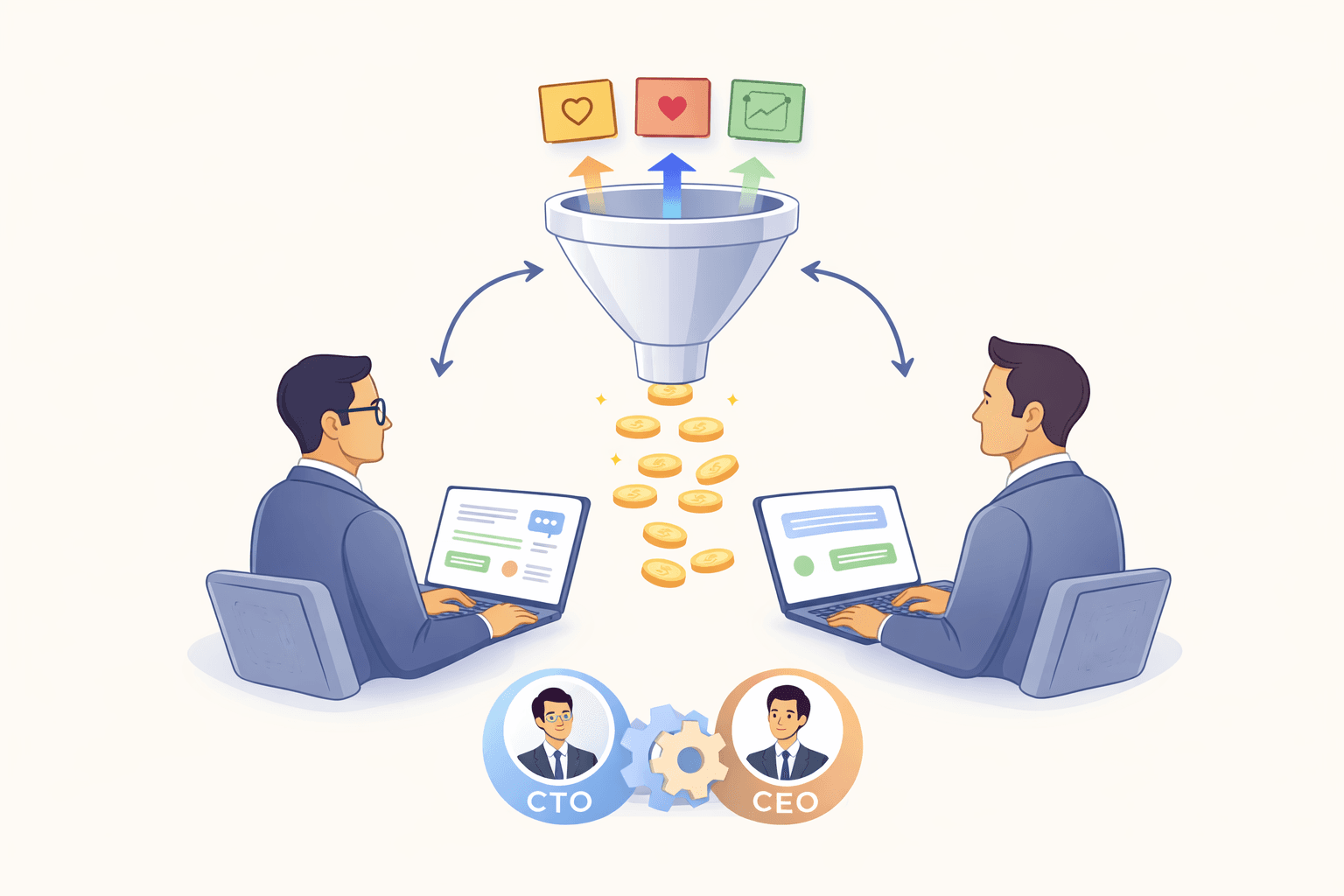
In today’s fast-paced digital economy, turning user feedback into business value stands out as one of the most powerful levers for sustainable growth. CTOs and CEOs who master this process don’t just fix bugs—they unlock new revenue streams, boost retention, and stay ahead of competitors. This cross-functional approach breaks down silos between engineering, product, marketing, and customer success teams to transform raw insights into measurable outcomes.
By adopting structured collaboration, leaders can move beyond reactive fixes and create products that customers truly love. Research shows companies that excel here grow revenue significantly faster than peers. The key lies in intentional systems that connect every department to the voice of the user.
Why Turning User Feedback into Business Value Matters More Than Ever
Executives often hear about customer experience, yet few treat feedback as a strategic asset. When done right, turning user feedback into business value directly impacts the bottom line. Forrester data reveals customer-experience leaders achieve 17 percent compound annual revenue growth while laggards manage only 3 percent.
Bain & Company analysis further confirms differentiated experiences deliver 4 to 8 percent higher revenue than industry averages. Customers who enjoy superior interactions spend up to 140 percent more and stay loyal six times longer. These numbers prove that feedback isn’t a nice-to-have—it’s a growth engine.
CEOs who champion this mindset align their entire organization around real user needs. CTOs, meanwhile, gain clear technical priorities that reduce wasted development cycles. The result? Faster innovation and stronger market positioning.
Building a Cross-Functional Feedback Loop That Works
Silos kill progress. A true cross-functional approach brings product managers, engineers, marketers, and support teams into one shared process. Start by establishing a central feedback repository accessible to everyone.
Weekly syncs ensure insights flow freely. Marketing surfaces sentiment from social channels, support logs pain points, and engineering flags technical feasibility. This collaboration prevents duplicated effort and speeds decision-making.
Leaders must set clear rules for prioritization. Use frameworks like RICE (Reach, Impact, Confidence, Effort) so every team speaks the same language. When CTOs and CEOs model this behavior, adoption skyrockens across the organization.
The CTO’s Technical Role in Turning User Feedback into Business Value
CTOs own the infrastructure that makes feedback actionable. They integrate tools that capture in-app signals, session recordings, and automated surveys directly into development pipelines.
Modern platforms connect user comments to specific code modules, letting engineers see exactly where friction occurs. This technical backbone ensures feedback influences sprint planning rather than gathering dust in spreadsheets.
Moreover, CTOs can embed AI-driven analysis to spot emerging patterns early. By linking feedback data to product telemetry, teams identify issues before they affect large user segments. This proactive stance turns potential churn into loyalty and directly supports turning user feedback into business value.
How CEOs Drive Strategic Alignment and Accountability
CEOs set the tone. They champion turning user feedback into business value by tying it to company OKRs and quarterly reviews. Public recognition of teams that successfully close feedback loops reinforces the culture.
Strategic oversight ensures high-impact items reach the roadmap. CEOs also communicate wins back to users, closing the loop and building trust. When leaders visibly invest time in customer insights, every department follows suit.
Essential Tools for Collecting and Analyzing Feedback
Technology removes guesswork. Leading organizations rely on a mix of survey platforms, behavioral analytics, and visual feedback tools.
Popular options include Hotjar for heatmaps and session replays, Amplitude for journey tracking, and UserVoice for roadmap integration. These systems feed directly into cross-functional dashboards, keeping everyone aligned.
Choosing the right stack depends on your product maturity. Early-stage teams often start with lightweight in-app surveys, while scaled enterprises layer on enterprise-grade analytics. The goal remains consistent: gather rich, contextual data that fuels smarter decisions.

Prioritizing Insights and Turning Them into Actionable Features
Not every comment deserves immediate attention. Cross-functional teams must score feedback by business impact and effort required.
Create a shared backlog where product, engineering, and customer teams vote on items. Regular roadmap reviews keep priorities fresh. Once selected, assign clear owners and deadlines.
Implementation should include user testing loops to validate changes. This iterative method minimizes risk and maximizes the chance that new features truly solve problems. Documenting each win helps build institutional knowledge for future cycles.
Real-World Examples of Success
Apple’s original iPhone development exemplifies cross-functional magic. Hardware, software, and design engineers collaborated intensely, incorporating early user tests that shaped the final product. The result reshaped an industry and still drives over half of Apple’s revenue.
Starbucks used customer input to refine its mobile ordering app, achieving a 20 percent jump in orders within the first year. Retailer Matalan analyzed qualitative feedback to redesign checkout flows, lifting conversions significantly. These stories show turning user feedback into business value works across sectors when leaders commit to collaboration.
Measuring the ROI of Your Feedback Efforts
Proof matters. Track metrics such as Net Promoter Score trends, feature adoption rates, churn reduction, and revenue lift from new capabilities.
Dimension Data research found companies improving customer experience report 84 percent revenue uplift on average. Link specific feedback-driven changes to these outcomes in executive reports.
Regular audits reveal which loops deliver the highest return. Adjust processes accordingly. When CTOs and CEOs see clear financial impact, investment in the system naturally increases.
[Image: Before-and-after comparison chart displaying revenue growth and customer retention improvements after implementing a cross-functional user feedback system]
Overcoming Common Roadblocks
Resistance often appears when teams fear extra workload. Address it by starting small—pilot one feedback-to-feature cycle and celebrate quick wins.
Data overload poses another challenge. Focus on a few high-signal sources rather than collecting everything. Training cross-functional members on insight interpretation also builds confidence.
Finally, ensure leadership visibility. When executives reference user quotes in all-hands meetings, the entire company internalizes the importance of turning user feedback into business value.
Sustaining Long-Term Momentum
Embed feedback habits into existing rituals. Make customer stories part of sprint demos and board updates. Rotate team members through direct user interviews to maintain empathy.
As your organization scales, automate routine collection while keeping human oversight for nuance. Periodic external audits can benchmark your process against industry leaders.
Next Steps for CTOs and CEOs
Begin by auditing your current feedback flow this week. Identify one cross-functional pilot project and assign a small team. Measure results after 90 days and scale what works.
Turning user feedback into business value becomes a competitive advantage when leaders treat it as a core operating system rather than a side project. Organizations that master this approach consistently outperform peers in innovation speed, customer loyalty, and revenue growth.
Start today—your users are already telling you exactly what they need to fuel your next breakthrough.
admin
Digital product designer and software engineer at Quadiz studio, sharing insights on conversion-driven UI/UX design, modern web development, and building scalable software.