In today’s fast-paced business environment, data-driven project management has become the key to delivering projects successfully. By harnessing project management analytics and real-time data insights, teams can spot issues early, make smarter decisions, and keep projects on track from start to finish. No more relying on gut feelings—analytics turn raw data into actionable intelligence that prevents delays, controls costs, and maximizes outcomes.
Organizations using data-driven project management report significantly higher success rates. Recent 2026 statistics show only about 35-50% of projects finish on time and within budget without strong analytics support. With proper data analytics in project management, teams achieve up to 73.8% average performance rates by monitoring every variable continuously.
This guide explores exactly how analytics keep projects on track, the metrics that matter most, the best tools available, and practical steps you can implement today. Whether you manage software development, construction, or marketing campaigns, adopting data-driven project management will transform how your team operates.
What Is Data-Driven Project Management?
Data-driven project management refers to the systematic use of data, analytics, and predictive modeling throughout the entire project lifecycle. Instead of traditional methods based on experience alone, it integrates real-time data from tasks, resources, budgets, and risks to guide every decision.
Project management analytics pull information from multiple sources—task completion rates, resource utilization, stakeholder feedback, and financial tracking—then present it in clear dashboards. This approach aligns perfectly with modern standards like the PMBOK Guide and helps teams adapt quickly to changes.
The result? Fewer surprises, better resource allocation, and a clear path to project success. When you apply data-driven project management, every team member gains visibility into what’s working and what needs immediate attention.
Why Traditional Project Management Often Falls Short
Many projects still fail because managers rely on outdated reporting methods and manual updates. Without project management analytics, issues like scope creep, resource bottlenecks, or timeline slips go unnoticed until it’s too late.
Statistics confirm the problem: only 34% of organizations consistently complete projects on time and on budget. The other projects suffer from poor visibility and reactive decision-making.
Data-driven project management solves these pain points by replacing guesswork with evidence. Predictive analytics for projects can forecast delays weeks in advance, giving teams time to adjust plans and keep projects on track. Moreover, this shift reduces risks dramatically while improving stakeholder confidence.
Can Data Analytics Really Prevent Project Delays?
Absolutely. Real-time project tracking through analytics identifies warning signs early—such as declining productivity or budget overruns. For instance, if resource utilization drops below 70%, dashboards flag it immediately, allowing managers to reallocate staff before deadlines slip.
Predictive models analyze historical data to estimate completion dates with impressive accuracy. Teams using these tools report up to 25% fewer delays compared to traditional approaches. Therefore, integrating data analytics in project management turns potential disasters into manageable adjustments.
Key Metrics Every Data-Driven Project Manager Should Track
To keep projects on track, focus on these essential project success metrics:
- Schedule Variance (SV): Measures if you’re ahead or behind the planned timeline.
- Cost Variance (CV): Shows whether spending aligns with the budget.
- Resource Utilization Rate: Tracks how efficiently team members are working.
- Earned Value Management (EVM): Combines scope, schedule, and cost into one powerful indicator.
- Risk Exposure Score: Quantifies potential threats based on probability and impact.
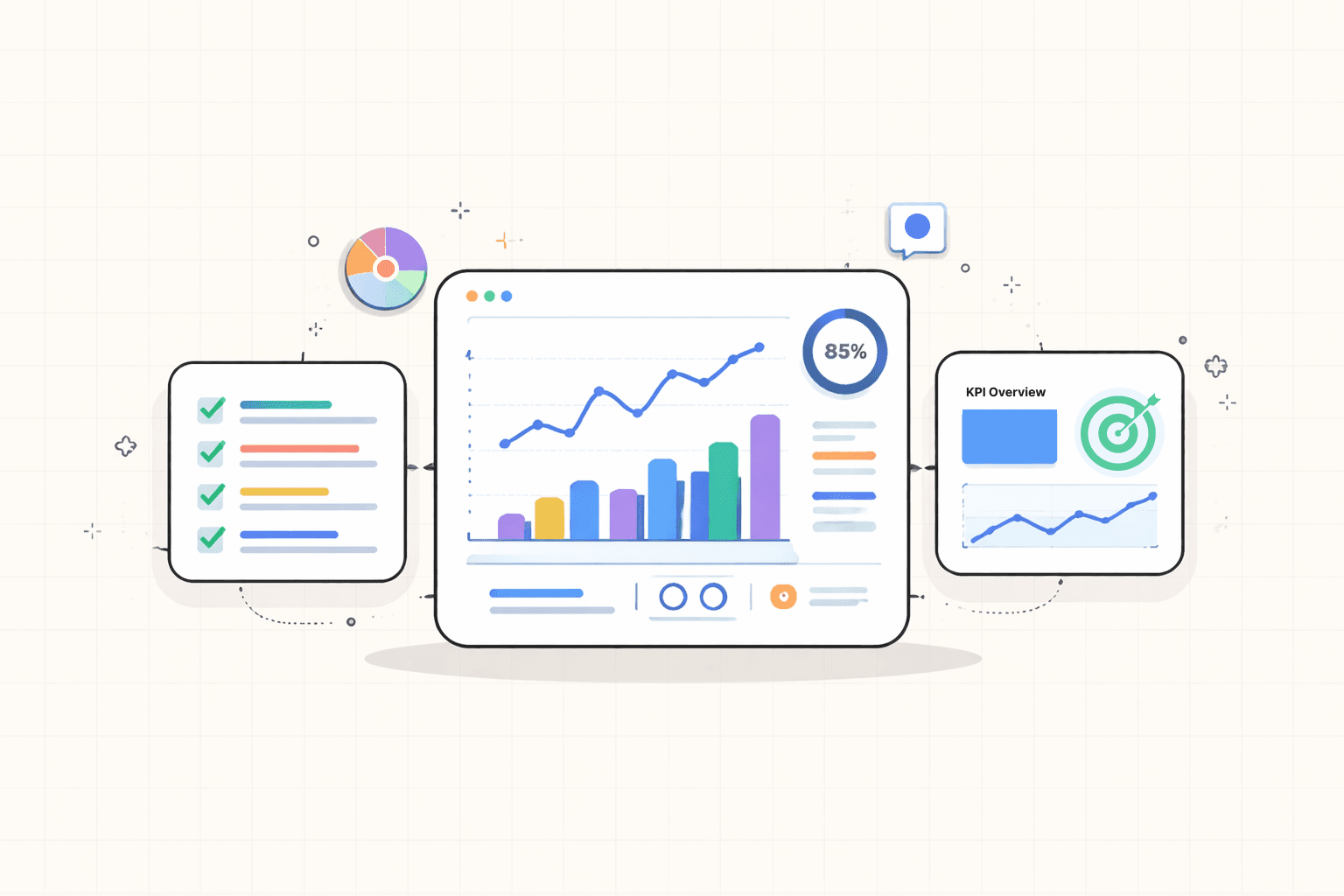
Monitoring these metrics in real time forms the backbone of data-driven project management. When displayed on interactive dashboards, they enable instant decisions that protect project health.

How to Choose the Right Metrics for Your Project
Not every metric fits every project. Start by aligning KPIs with your specific goals. For a software launch, emphasize sprint velocity and bug resolution rates. For construction projects, focus on material costs and safety incidents.
Ask yourself: What data will help us keep projects on track? Review past projects to identify recurring problems, then select 5-7 core metrics. Regular review cycles—weekly or bi-weekly—ensure data analytics in project management stay relevant and actionable.
Top Tools for Implementing Analytics in Project Management
Modern platforms make data-driven project management accessible to every team. Popular options include:
- Monday.com and ClickUp: Offer built-in dashboards and AI-powered forecasting to keep projects on track.
- Tableau and Power BI: Excel at turning complex data into visual project performance dashboards.
- Jira with advanced analytics plugins: Ideal for agile teams needing deep sprint insights.
- Wrike and Asana: Provide real-time project tracking with automated alerts and predictive timelines.
These tools integrate seamlessly and support predictive analytics for projects, helping organizations move from reactive to proactive management.

Step-by-Step Guide to Adopting Data-Driven Project Management
- Define clear objectives and baseline data — Establish what success looks like and collect initial metrics.
- Choose and implement analytics tools — Select platforms that match your team size and needs.
- Train your team — Ensure everyone understands how to read dashboards and act on insights.
- Set automated reporting — Configure daily or weekly updates to maintain real-time project tracking.
- Review and adjust regularly — Hold data-driven review meetings to refine strategies and keep projects on track.
Following these steps typically delivers measurable improvements within the first quarter. Many teams see budget adherence rise by 15-20% after full implementation.
Real-World Benefits of Using Analytics to Keep Projects on Track
Companies embracing data-driven project management enjoy higher client satisfaction, reduced overtime, and stronger ROI. One global firm using predictive analytics cut project delays by 30% and saved millions in cost overruns.
Resource allocation becomes precise when analytics highlight underused talent or bottlenecks. Stakeholder reports turn from vague updates into compelling visual stories backed by hard data. Ultimately, these advantages compound, creating a culture of continuous improvement across all projects.
For deeper insights into related areas, explore our guide on agile project management best practices or effective resource allocation strategies.
External research supports these findings. According to Monday.com’s 2026 project management statistics, organizations with strong analytics practices consistently outperform others in delivery speed and quality. The Project Management Institute (PMI) also emphasizes data-driven approaches in their latest success reports—read more at pmi.org.
By combining these practices, any team can master data-driven project management and reliably keep projects on track. The technology exists today; the only question is how quickly you adopt it. Start small, measure results, and watch your project success rates climb steadily.
admin
Digital product designer and software engineer at Quadiz studio, sharing insights on conversion-driven UI/UX design, modern web development, and building scalable software.